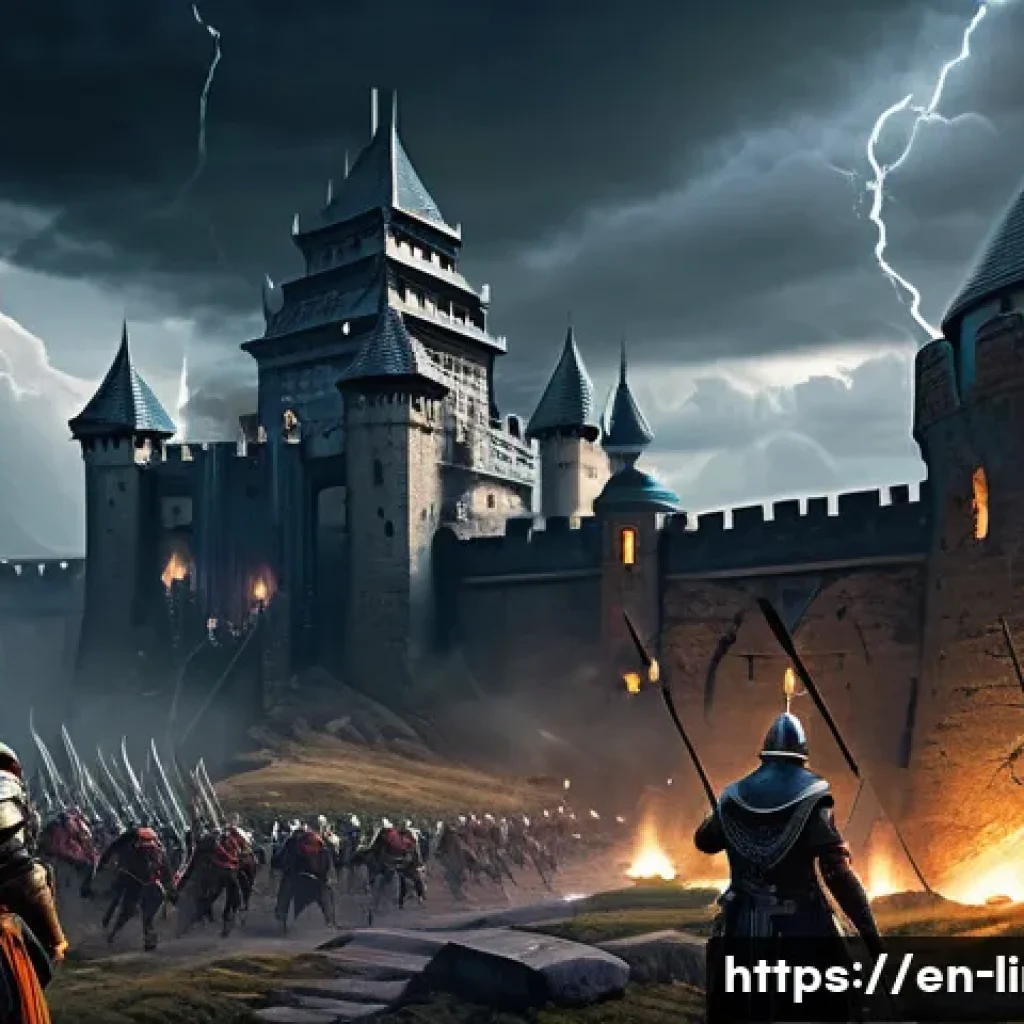
Jumping into Lineage M’s Siege War can feel overwhelming at first, but mastering a few key strategies can make all the difference between victory and defeat.
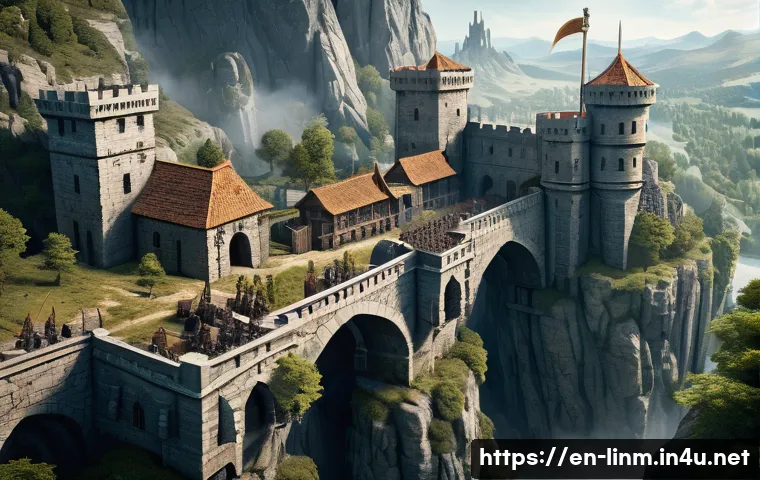
From coordinating with your clan to understanding the best defensive setups, every detail matters in these intense battles. I’ve spent countless hours experimenting with different tactics, and let me tell you, the right approach can turn the tide quickly.
Whether you’re a seasoned player or just stepping into siege battles, these tips will sharpen your gameplay and boost your chances of success. Let’s dive deep and uncover the secrets to dominating Siege War like a pro!
Mastering Clan Communication for Seamless Coordination
Establish Clear Roles Within Your Clan
When you first jump into Siege War, one of the biggest hurdles is figuring out who does what. I’ve been in countless battles where the chaos was mostly because no one knew their exact responsibilities.
Assigning clear roles—such as frontline attackers, support mages, and defenders—helps everyone focus on their tasks without confusion. It’s like being part of a well-oiled machine; each member knowing their part contributes to smooth execution.
In my experience, clans that designate roles before the battle even starts tend to react faster and make better strategic decisions under pressure.
Utilize Voice Chat or Quick Commands Effectively
Text chat can be slow and cumbersome during fast-paced moments, so using voice communication or predefined quick commands can be a game changer. I personally prefer voice chat because it allows for immediate feedback and rapid updates.
For example, calling out enemy movements or requesting backup instantly can prevent disastrous breaches. If voice chat isn’t an option, setting up clear, easy-to-use commands in advance saves precious seconds.
Remember, every second counts, and clear communication can be the difference between holding your ground or losing a fortress.
Practice Drills to Improve Team Synchronization
Coordination is not just about planning—it’s about practicing how your team moves and reacts together. Running mock Siege War drills has been invaluable in my clan.
These practice sessions expose weaknesses in your strategy and help players get used to working as a unit. It also builds trust, so during the actual war, everyone knows they can count on their teammates.
Don’t underestimate the power of repetition; it makes your clan’s response smoother and far more effective when the real battle begins.
Optimizing Defensive Layouts for Maximum Impact
Prioritize Key Defensive Structures
Choosing which towers or walls to fortify first can shape the entire defense strategy. From what I’ve seen, focusing on structures that control the main choke points or cover critical access routes is essential.
Reinforcing these areas buys your team time and frustrates attackers by funneling them into kill zones. When I’ve arranged defenses this way, attackers often waste resources trying to break through less important areas, giving my clan the upper hand.
Leverage Terrain and Map Features
Understanding the Siege War map layout is more than just knowing where your base is. Utilizing natural terrain features like narrow corridors, elevation differences, and obstacles can turn the tide in your favor.
For example, placing archers on elevated platforms or behind natural cover enhances their survivability and damage output. In one memorable battle, positioning my defenders on a cliffside forced enemies into predictable attack paths, making it easier for us to counterattack.
Rotate Defensive Positions to Confuse Enemies
Staying static can make your defense predictable, which savvy opponents will exploit. Switching defensive positions periodically keeps attackers guessing and prevents them from adapting too quickly.
I’ve found that rotating patrols or shifting defensive units every few minutes disrupts enemy rhythm and forces them to rethink their approach. This tactic requires good communication but rewards your team with a strategic advantage.
Choosing the Right Offense Tactics to Break Through
Focus on Coordinated Assault Waves
Rushing in solo might feel tempting, but coordinated group attacks are far more effective. I’ve been part of assaults where synchronized waves overwhelmed the defenders, allowing us to capture key points before they could regroup.
Timing is critical—attackers should communicate exact moments to strike, ensuring maximum pressure. It’s like riding a wave; the momentum from a well-timed group push can crash through even the toughest defenses.
Identify and Exploit Weak Spots Quickly
Every defense has its cracks, and spotting these quickly can give you a massive advantage. I usually scout early in the battle to find less guarded gates or structures with lower health.
Once identified, focusing your attack there can break the enemy’s line and cause chaos. But be ready to adapt—if the enemy reinforces a spot, shifting your assault to a new weak point keeps them off balance.
Use Debuffs and Crowd Control Wisely
Special skills that slow, stun, or weaken defenders can turn the tide of battle. I’ve noticed that deploying these abilities right before launching an assault wave dramatically increases your chances of success.
Timing is everything; hitting the enemy just as your main force charges in can cripple their response. It’s also smart to reserve some crowd control for enemy reinforcements or counterattacks.
Effective Resource Management for Sustained Sieges
Stockpile Essential Supplies Before Battle
Siege Wars can drag on, and running out of potions, ammunition, or buffs can leave your team vulnerable. I always recommend preparing well in advance by stockpiling these essentials.
It’s surprising how often battles are lost not because of poor strategy but due to lack of resources. Having a solid inventory ensures your team stays sharp and ready for multiple waves of combat.
Distribute Resources According to Roles
Not every clan member needs the same gear or consumables. Tailoring resources to specific roles makes your team more efficient. For example, frontline fighters benefit from health potions and defensive buffs, while ranged attackers might need mana regeneration items.
In my clan, customizing loadouts based on role helped us maintain peak performance throughout long engagements.
Plan for Mid-Battle Resupplies
If your clan can control supply points or safe zones on the map, use them to resupply during downtime. This tactic prolongs your endurance and can catch attackers off guard when you return to the front fully replenished.
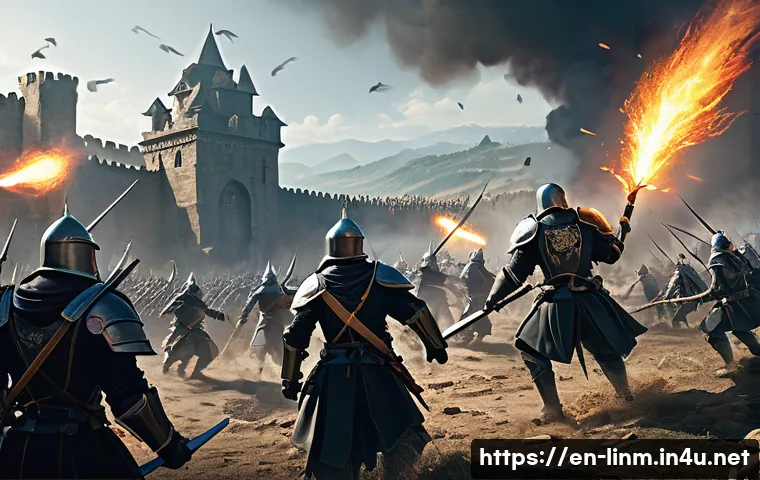
Coordinating who moves to these points and when is crucial; careless runs for supplies can expose your team to ambushes.
Adapting Your Strategy Based on Opponent Behavior
Analyze Enemy Attack Patterns
Watching how your opponents approach the battle gives you invaluable intel. For instance, if they consistently attack from one side, reinforcing that flank makes sense.
I’ve spent time observing enemy clans’ habits, and adjusting our defense accordingly often nullified their usual tactics. It’s a bit like chess—anticipating your opponent’s moves can give you a decisive edge.
Switch Between Aggressive and Defensive Modes
Staying predictable is a surefire way to get countered. Knowing when to push aggressively and when to hold back requires experience and situational awareness.
I’ve noticed the best clans are those that can fluidly switch between offense and defense, keeping the enemy guessing. This flexibility comes from constant communication and a deep understanding of the battle’s flow.
Exploit Timing Windows When Opponents Are Vulnerable
There are moments in Siege War when your opponents might be distracted—like after a failed assault or when resupplying. Capitalizing on these windows can turn the tide fast.
I once led a counterattack right after an enemy group retreated for healing, catching them off guard and capturing their fortifications with minimal losses.
Utilizing Character Classes and Skills to Their Full Potential
Maximize Synergy Between Different Classes
Each character class brings unique strengths to the table, and combining them effectively can amplify your team’s power. For example, pairing tanky warriors with high-damage mages and healing support creates a balanced frontline that’s hard to break.
I’ve experimented with various class mixes and found that understanding how your team’s skills complement each other is key to sustained success.
Optimize Skill Timing and Combos
Knowing when and how to use your skills in combination with your teammates can change the outcome of fights. I remember a battle where perfectly timed stuns from one player allowed another to unleash devastating area attacks.
Practicing these combos during downtime makes them second nature when under pressure.
Adjust Builds Based on Siege Objectives
Not every fight requires the same approach. Sometimes you need durability for defense, other times burst damage to break through enemy lines. Tailoring your character’s build to match your clan’s current goals enhances effectiveness.
I personally switch between defensive and offensive gear sets depending on whether we’re holding a position or launching an attack.
| Aspect | Key Focus | Recommended Approach | Impact |
|---|---|---|---|
| Clan Communication | Role clarity and rapid info sharing | Assign roles, use voice chat, practice drills | Improves team responsiveness and coordination |
| Defensive Layout | Fortify choke points and leverage terrain | Prioritize key structures, use elevation, rotate positions | Increases defense sustainability and unpredictability |
| Offense Tactics | Coordinated waves and exploiting weak spots | Synchronize attacks, scout for vulnerabilities, use debuffs | Enhances breakthrough potential and reduces casualties |
| Resource Management | Preparation and tailored supply distribution | Stockpile essentials, role-based resource allocation, plan resupplies | Maintains combat effectiveness throughout battles |
| Adaptive Strategy | Opponent analysis and flexible tactics | Monitor enemy patterns, switch modes, seize timing windows | Keeps enemies off balance and maximizes opportunities |
| Class & Skill Utilization | Synergy and optimal skill use | Combine class strengths, time combos, adjust builds | Boosts team power and tactical versatility |
Building Mental Resilience and Staying Calm Under Pressure
Maintain Focus Despite Chaos
Siege War can get hectic, and it’s easy to get overwhelmed by the noise and fast pace. From personal experience, staying calm and focusing on your assigned role helps you perform better and make clearer decisions.
When everyone panics, mistakes multiply. But if you keep your cool, you can spot opportunities others miss.
Learn from Defeats to Improve Future Battles
Losing a Siege War can sting, but it’s also a powerful learning moment. After every battle, my clan reviews what went wrong and what worked. This reflection helps us refine tactics and avoid repeating mistakes.
Embracing defeat as part of growth builds mental toughness and prepares you for the next fight.
Celebrate Small Wins to Boost Morale
Siege War is a marathon, not a sprint. Celebrating small victories—like holding a gate or successful defense for a few minutes—keeps morale high. Positive energy within the clan fuels motivation and teamwork, making everyone more eager to push forward and improve.
글을 마치며
Mastering clan communication and strategic coordination is key to dominating Siege War battles. By clearly defining roles, practicing together, and adapting strategies on the fly, your clan can overcome even the toughest opponents. Remember, a well-prepared team with strong communication and resource management often outperforms raw power alone. Keep refining your tactics and stay resilient under pressure to enjoy consistent victories.
알아두면 쓸모 있는 정보
1. Assigning specific roles before battle reduces confusion and boosts response time during intense moments.
2. Voice chat or quick command systems significantly improve real-time coordination compared to text chat.
3. Regular drills build team trust and help identify weak points in your clan’s strategies early on.
4. Prioritizing defense of choke points and using terrain advantages can decisively stall enemy advances.
5. Observing and adapting to enemy behavior prevents predictability and opens up tactical opportunities.
중요 사항 정리
Effective Siege War success hinges on clear role assignment and seamless communication within your clan. Utilizing voice channels and practicing synchronized drills enhances team coordination under pressure. Defensive layouts should focus on critical choke points and terrain features to maximize resilience. Coordinated offense with precise timing and exploiting enemy weaknesses increases breakthrough chances. Careful resource management tailored to roles ensures sustained combat effectiveness. Finally, staying adaptable by analyzing opponents and switching tactics keeps your clan one step ahead in battle.
Frequently Asked Questions (FAQ) 📖
Q: What’s the best way to coordinate with my clan during Siege War to ensure a win?
A: Communication is absolutely key in Siege War. From my experience, using voice chat apps like Discord or TeamSpeak really makes a difference because you can react instantly to changes on the battlefield.
Setting clear roles before the battle—like who leads the attack, who defends, and who handles support—helps avoid confusion. Also, syncing your strategies and timing your attacks together can overwhelm the enemy and turn the tide in your favor.
I’ve seen clans that plan every move in advance outperform those who just wing it, so take the time to strategize as a team.
Q: What defensive setups work best to hold our fortress against enemy sieges?
A: Based on what I’ve tested, layering your defenses is crucial. Don’t just rely on a single choke point; create multiple layers of traps, walls, and archers to slow down and weaken attackers.
Positioning ranged units on high ground or behind walls gives you an edge since they can hit enemies without taking damage. Also, having a quick-response team ready to plug breaches or counterattack when the enemy breaks through can save your base from falling apart.
I recommend mixing different unit types to cover weaknesses and always keep a few reserves for unexpected situations.
Q: How can a beginner improve quickly and survive longer in Siege War battles?
A: When I first started, the biggest game-changer was focusing on understanding the map and enemy patterns before jumping in. Watching replays or live battles helped me learn common attack routes and timing.
Don’t be afraid to ask your clanmates for advice—they usually have valuable insights. Also, prioritize upgrading your gear and units that fit your playstyle because strong equipment makes your character more resilient.
Lastly, be patient and don’t rush into fights alone; survival often comes down to smart positioning and teamwork rather than just brute force. With consistent practice, you’ll notice your skills improving steadily.