
Hey there, fellow Inheritors! You know that rush when you step into a Lineage M raid? That mix of excitement and, let’s be honest, a little bit of dread if your team isn’t perfectly synced.
We’ve all been there, watching those massive bosses shrug off our attacks or seeing our party wipe just as victory was within reach. It’s frustrating, right?
Especially when you know your gear is decent, but something just isn’t clicking. Over my years diving headfirst into Aden’s toughest challenges, I’ve personally felt the sting of a poorly executed raid and the sheer joy of a flawless victory.
What I’ve learned, through countless hours of grinding, experimenting with different builds, and quite a few epic failures, is that raw power isn’t always enough.
In today’s ever-evolving Lineage M meta, where new content and updates constantly shift the playing field, mastering your raid skill combos is the absolute game-changer.
It’s not just about hitting buttons; it’s about timing, synergy, and knowing precisely when to unleash your deadliest sequences to maximize damage or ensure your team’s survival.
Seriously, it can transform you from just another participant to an indispensable hero. I’ve seen players with seemingly weaker gear out-perform those with legendary items, simply because they understood the intricate dance of their skills.
With new classes emerging and the progression system constantly adding layers of complexity, optimizing your skill rotation for different raid encounters is more crucial than ever.
It’s the difference between merely contributing and truly dominating, securing those coveted drops and feeling that glorious sense of accomplishment. This isn’t just about ‘playing smarter;’ it’s about carving out your legend on the battlefield.
Are you ready to stop feeling like you’re just button-mashing and start truly commanding your character’s potential? Then let’s unlock the secrets to becoming a raid maestro in Lineage M!
I’ve put together everything I’ve learned about crafting the perfect skill sequences, tailored for maximum impact and smooth group play, whether you’re a frontline tank, a devastating DPS, or a crucial support.
Let’s dive into the ultimate guide to Lineage M raid skill combos and truly elevate your gameplay!
Unleashing Your Class’s True Potential with Precision Combos
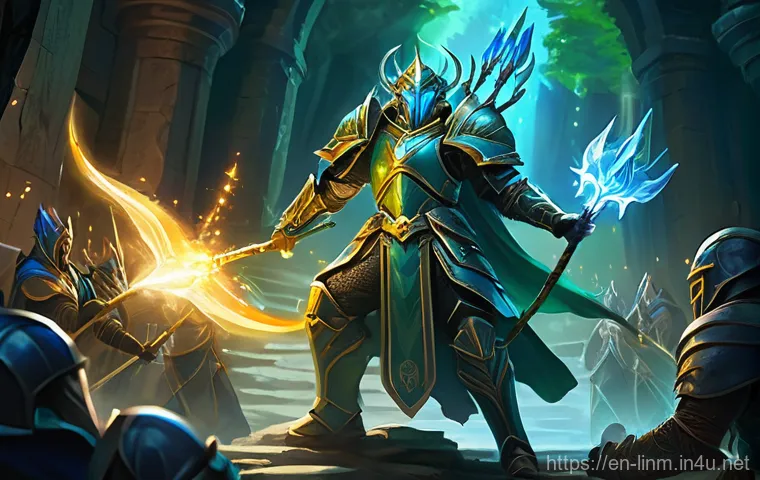
It’s easy to get complacent, isn’t it? You hit max level, grab some decent gear, and fall into a rhythm with your most frequently used skills. But I’ve learned firsthand that simply spamming your highest damage abilities or your go-to buffs isn’t going to cut it in the really tough Lineage M raids.
The game has evolved so much, and what worked a year ago might leave you feeling like you’re constantly playing catch-up now. I remember this one time, during a particularly brutal PVE boss encounter, our main damage dealer was just throwing out skills seemingly at random.
We were wiping over and over, and he was convinced his gear wasn’t good enough. But after we sat down, looked at his skill descriptions, and worked out a proper sequence – focusing on debuffs, then big damage, then utility – the boss melted.
It was like watching a completely different player! This isn’t just about raw stats; it’s about understanding the intricate dance your skills can perform together, how they amplify each other, and how timing can turn a good hit into a game-changing critical blow.
Every class, from the sturdy Dark Elf to the versatile Sagittar, has a hidden rhythm, a flow state where abilities weave together seamlessly to create a devastating impact that far exceeds the sum of its parts.
You’ve invested so much time into your character, it’s only right to make every single skill point count. Trust me, the satisfaction of seeing those massive damage numbers or perfectly timed saves pop up because you executed a perfect combo is unparalleled.
Understanding Your Core Skill Synergies
Every class in Lineage M possesses a unique set of skills, and the magic truly happens when you discover how these skills interact. For instance, a Destroyer might have a skill that reduces an enemy’s defense, followed by a high-damage area-of-effect ability.
Using these in sequence ensures your big hit lands for maximum impact. Think about your buffs and debuffs – when is the optimal moment to apply them? Is there a short-duration buff that pairs perfectly with your ultimate damage skill?
For me, experimenting in various hunting grounds and even just on training dummies has been key to figuring out these crucial connections. It’s not just about reading the tooltip; it’s about feeling the rhythm.
Tailoring Combos to Your Playstyle
While there are certainly “optimal” rotations, I genuinely believe that the best combo is the one you can execute consistently and comfortably. If a super complex sequence has you fumbling with your fingers and missing crucial timings, it might be less effective than a slightly simpler but perfectly executed one.
I’ve always encouraged newer players to start with a foundational 2-3 skill combo and gradually add layers as they get more comfortable. As you grow more confident, you’ll naturally start weaving in more utility skills, defensive cooldowns, and even movement abilities into your attack patterns.
It’s about building muscle memory and making it feel like a natural extension of yourself.
The Art of Group Harmony: Weaving Team-Based Skill Sequences
When you’re diving into a raid with your buddies, it’s not just about your individual prowess; it’s about how you all work together. I’ve been in countless raids where everyone was strong individually, but we still struggled because there was no cohesive strategy.
Then, there are those magical moments when everyone’s skills just *click*, and it feels like you’re moving as one unstoppable force. That’s the power of group synergy, and it’s something I’ve spent years trying to perfect with my guildmates.
We used to spend hours just theory-crafting and practicing simple two-person combos in the quieter zones, then scaling it up. For example, a well-timed stun from a Knight followed immediately by a powerful ranged attack from a Mage can absolutely decimate a target before it even has a chance to react.
Or a meticulously placed protective shield from an Enchanter right before a boss’s devastating area-of-effect attack can save the entire party from a wipe.
It’s not just about dealing damage; it’s about managing threat, controlling the battlefield, and keeping everyone alive. Communication is obviously key here, but a shared understanding of common combo patterns makes a massive difference, even when comms are hectic.
Trust me, that feeling of flawlessly executing a coordinated takedown with your team is one of the most rewarding experiences in Lineage M. It’s a testament to more than just your gear; it’s about your unity.
Coordinating Debuffs and Burst Windows
Many raid bosses have phases where they become more vulnerable, or specific debuffs can dramatically increase the damage they take. The truly elite raid groups coordinate their debuffs to land just before everyone unleashes their highest burst damage skills.
Imagine a Warlord applying a crucial defense shred, followed by a Dark Elf’s bleed, and then everyone dumping their ultimate damage rotations into the now-vulnerable target.
The boss’s HP bar just melts! I’ve found that having a designated debuff applicator and then calling out “burst window!” dramatically improves our collective damage output.
It’s a simple strategy, but incredibly effective when everyone is on the same page.
Defensive and Utility Support Chains
It’s not all about big damage numbers. Sometimes, the best combo is a defensive one. Think about how a Paladin’s protective buffs can be immediately followed by an Enchanter’s healing over time, ensuring that the frontline stays healthy through sustained boss attacks.
Or a well-timed stun from a Knight can interrupt a dangerous boss ability, giving the healers a breather. In one particularly tough raid, we had a dedicated “save chain” where if one person got into trouble, we had a sequence of skills ready – a shield, a heal, a crowd control – to pull them out of danger.
This kind of planning prevents catastrophic wipes and keeps the raid pushing forward.
Adapting on the Fly: Dynamic Skill Sequences for Shifting Encounters
Static rotations are fine for training dummies, but Lineage M raids are anything but static. Bosses have multiple phases, unpredictable mechanics, and often throw curveballs that demand instant adjustments from your team.
I’ve seen so many raids fall apart because players were too rigid in their approach, sticking to a pre-planned sequence even when the boss moved, summoned adds, or started channeling a deadly attack.
This is where the real skill comes in – the ability to assess the situation, ditch your perfect plan, and improvise a combo that addresses the immediate threat.
It’s like a martial artist who knows hundreds of forms but can adapt any of them to a real fight. You need to understand the *purpose* of your skills, not just their order.
Is the boss about to cast a massive AoE? Maybe your personal damage combo needs to be interrupted for a swift dodge or a defensive buff. Are there adds spawning that need to be burned down immediately?
Your single-target burst might need to give way to area-of-effect skills. I remember one raid where the boss suddenly gained a massive damage reduction buff.
Instead of just continuing to hit for minuscule damage, our Mages quickly switched to their utility spells to dispel the buff while our melee focused on avoiding new mechanics.
We might have lost a few seconds of pure DPS, but it saved us from a prolonged, painful fight. This flexibility is what separates good players from truly great ones.
Recognizing and Reacting to Boss Mechanics
Every raid boss has tells – visual cues, cast bars, or environmental changes that signal an impending ability. Learning these tells is paramount. Once you identify a dangerous mechanic, your planned skill combo might need to be paused or completely altered.
For example, if a boss is about to perform a charge, you might need to use a mobility skill to reposition *before* continuing your damage rotation. Or if a specific debuff needs to be cleansed, the designated cleanser needs to prioritize that over their personal damage.
It’s about reading the battlefield and making intelligent choices in real-time.
Prioritizing Targets in Multi-Phase Fights
Many raid encounters involve multiple targets or distinct phases. Your optimal skill combo for a single, stationary boss will be completely different from one that involves waves of adds or requires quickly switching between targets.
Sometimes, it’s best to use area-of-effect skills to clear minor threats, reserving your single-target burst for the main boss. Other times, specific adds might have to be focused down immediately due to their dangerous abilities.
Understanding the raid’s priority system allows you to adapt your skill usage and contribute most effectively, ensuring smooth progression through even the most complex encounters.
Optimizing Your Character Build for Combo Excellence
You can have the best understanding of skill timings and team synergy, but if your character’s build isn’t supporting your combos, you’re leaving a lot on the table.
This isn’t just about having high stats; it’s about making sure your gear, enchantments, and even your skill enhancements align with the way you want to play and the combos you want to execute.
I’ve spent so many hours in my inventory, agonizing over whether that one extra point of critical hit chance is more valuable than a slight increase in cooldown reduction for a key skill in my rotation.
It really boils down to how each piece of your character contributes to the overall flow of your abilities. For instance, if your primary combo relies on rapid-fire attacks, then attack speed and cooldown reduction become incredibly valuable.
If you’re building around a massive burst damage ability, then maximizing critical damage and raw attack power just before that hit is essential. Don’t forget about the often-overlooked aspects like Accessory set bonuses or specific Rune abilities that can directly enhance certain skill types or provide crucial utility during your sequences.
It’s a holistic approach, where every choice you make, from the jewels you equip to the passive skills you unlock, should ideally reinforce your desired combat style.
Gear Enhancements that Empower Your Sequences
The right gear isn’t just about raw power; it’s about complementary stats. Look for enchantments or set bonuses that reduce cooldowns of your most important combo starters, increase the duration of your buffs, or amplify the damage of your core skills.
For example, some weapon enchantments might grant a temporary boost to magic damage after using a physical skill, perfect for hybrid classes to weave in potent follow-up attacks.
I personally always prioritize gear that supports my primary damage type and helps me cast my key skills more frequently, as this directly translates to more opportunities to execute those devastating combos.
Skill Enhancements and Passive Synergies
Don’t neglect your skill enhancements and passive abilities! These often provide subtle but significant boosts to your active skills. Sometimes, enhancing a specific skill might add a crucial debuff or increase its range, making it a better opener for a combo.
Passives can provide constant benefits, like increased critical hit chance or improved resource regeneration, which indirectly empower all your active skill sequences.
It’s all about finding those hidden gems that make your favorite combos even more potent and reliable.
| Class Archetype | Primary Combo Focus | Key Stats/Enhancements |
|---|---|---|
| Warrior/Knight (Tank/Melee DPS) | Threat generation, Stuns, Defense shred followed by high physical damage. | Attack Speed, Cooldown Reduction, Critical Hit, Defense Penetration. |
| Mage/Wizard (Ranged DPS) | Area-of-Effect damage, Single-target burst, Debuffs, Crowd Control. | Magic Attack, Critical Magic, Cooldown Reduction, MP Regeneration. |
| Archer/Sagittar (Ranged DPS) | Rapid-fire attacks, Bleeds/Poisons, Mobility, Ranged burst. | Dexterity, Attack Speed, Critical Hit, Movement Speed bonuses. |
| Healer/Enchanter (Support) | Sustained healing, Buffs, Shields, Cleanses, Enemy debuffs. | Wisdom, Healing Power, Cooldown Reduction, Magic Resistance. |
| Dark Elf/Assassin (Melee DPS/Burst) | Stealth openers, High critical burst, Bleed application, Mobility. | Strength, Critical Damage, Attack Speed, Evasion. |
The Practice Grind: Honing Your Reflexes and Timing
Let’s be real, nobody walks into Lineage M and instantly becomes a combo master. It takes dedication, repetition, and a willingness to learn from your mistakes.
I’ve spent countless hours in training grounds, hitting dummies, just trying to get the muscle memory down for specific sequences. It feels a bit mundane at times, but the payoff in actual raid scenarios is immense.
Think of it like learning an instrument – you wouldn’t expect to play a symphony without practicing your scales first, right? The same applies here. The goal isn’t just to *know* the combo, but to be able to execute it flawlessly under pressure, without even thinking about it.
That means your fingers move automatically, your eyes are on the boss mechanics, and your mind is free to react to whatever the raid throws at you. I’ve personally found that recording my gameplay and watching it back, even just for a few minutes, helps me spot inefficiencies or missed opportunities in my combo execution.
It’s a bit humbling to see your own errors, but it’s an invaluable tool for improvement. Don’t be afraid to fail; embrace it as a learning opportunity.
Dedicated Training Ground Sessions
The training grounds or quieter solo hunting zones are your best friends for practicing. Focus on one combo at a time. Start slow, get the button presses in the right order, and then gradually increase your speed.
Pay attention to the cooldowns and how they flow into the next skill. Are there any awkward pauses? Can you smooth out the transition?
For me, this dedicated practice has transformed my combat effectiveness, making my movements in actual raids feel much more fluid and impactful.
Analyzing Raid Logs and Replays
Many players underestimate the power of reviewing their own gameplay. If your guild records raid runs, take the time to watch segments of your perspective.
Look at when you used skills, when you missed, and when you could have optimized your sequence. Did you accidentally overlap buffs? Did you miss a crucial debuff window?
These insights are gold. Even if you’re just mentally replaying a fight, try to identify moments where a different skill combo might have led to a better outcome.
It’s a critical part of continuous improvement.
Beyond Raw Damage: Utility and Survivability Combos
It’s easy to get caught up in the pursuit of the biggest damage numbers, but in Lineage M raids, living through the encounter is just as important as dishing out punishment.
I’ve seen so many players with top-tier gear get wiped because they neglected their defensive or utility skills, focusing solely on pure DPS. The most effective raiders I know are masters of integrating survivability and support into their rotations, knowing exactly when to pivot from offense to defense.
Think about it: a dead DPS deals zero damage. A well-timed stun, a perfectly placed shield, or a clutch heal can prevent a wipe and keep the entire team in the fight, ultimately contributing more to victory than a few extra points of damage on a single hit.
This holistic approach is what defines a truly seasoned Lineage M player. I remember one raid where our main tank went down unexpectedly. Instead of panicking, our off-tank immediately switched to a defensive combo, popping all his cooldowns, while a support class initiated a rapid healing sequence.
We lost some precious seconds of damage, but we recovered and still cleared the boss. That quick shift in focus, that prioritization of survival, was the real game-changer.
Defensive Bursts and Escape Routes
Every class typically has at least one “panic button” or a combination of skills that can get them out of sticky situations. This might be a defensive stance that reduces incoming damage, a mobility skill to quickly escape an AoE, or a self-heal to top off your HP.
Knowing these defensive combos inside and out and being able to execute them instantly is literally life-saving. Don’t wait until your health bar is flashing red; anticipate danger and pre-emptively use your defensive skills when you see a boss mechanic winding up.
Integrating Crowd Control and Interrupts
Crowd control (CC) skills like stuns, roots, or silences are incredibly powerful in raids, especially for interrupting dangerous boss abilities or locking down troublesome adds.
Learning to weave these into your damage rotations, or having dedicated CC combos ready, can dictate the flow of a fight. Sometimes, sacrificing a bit of personal damage to land a crucial interrupt for your team is the most valuable contribution you can make.
It’s all about understanding the raid’s demands and adapting your skill usage to meet them.
Advanced Techniques: Breaking the Meta and Crafting Unique Sequences
Once you’ve mastered the fundamentals and established solid core combos, it’s time to push the envelope. The true raid maestros in Lineage M aren’t just following guides; they’re innovating, discovering new synergies, and even breaking the meta.
This often involves looking at skills in unconventional ways or finding niche interactions between abilities that most players overlook. I’ve personally spent hours just reading through every single skill description for my class and other classes, trying to find those hidden gems.
Sometimes it’s a minor debuff that nobody thought to exploit, or a specific timing window where two seemingly unrelated skills can combine for massive effect.
It’s about thinking outside the box and not being afraid to experiment, even if it means failing a few times. Remember, every “standard” meta combo was once an experimental idea someone had.
This level of exploration is where the game truly becomes yours, where you stop being a follower and start becoming a trendsetter within your guild or even the wider community.
That feeling of discovering a unique, devastating combo that nobody else is using? Priceless. It’s like finding a secret ingredient that makes your favorite dish even better.
Unconventional Skill Pairings and Timing
Sometimes, the most potent combos come from unexpected pairings. Maybe a low-damage utility skill has a hidden property that perfectly sets up your highest damage ability.
Or perhaps a class’s “filler” skill, when enhanced in a specific way, can become a surprisingly powerful part of a sequence. Don’t be afraid to experiment with combinations that aren’t widely publicized.
The Lineage M skill system is incredibly deep, and there are always new interactions to uncover if you’re willing to look.
Exploiting Environmental Factors and Buffs
Beyond just your character’s skills, consider how raid-specific buffs, environmental hazards, or even consumable items can be integrated into your combos.
Does consuming a specific potion create a temporary buff that aligns perfectly with your burst window? Can you use a boss’s own mechanics, like a vulnerability phase after an attack, to time your most powerful sequences for maximum effect?
Savvy players look at the entire raid environment as a canvas for their skill mastery, finding opportunities where others only see obstacles.
글을마치며
So, there you have it, fellow adventurers! We’ve journeyed through the intricate world of Lineage M skill combos, from understanding basic synergies to the advanced art of adapting on the fly and even optimizing your character’s build. I genuinely believe that by applying these principles, you’ll not only see your combat effectiveness soar but also find a whole new level of enjoyment in the game. It’s truly been a personal mission of mine to unlock the full potential of my characters, and I hope my experiences shared today inspire you to do the same. Remember, every master was once a beginner, and the path to combo excellence is paved with practice, patience, and a willingness to constantly learn. Keep pushing those boundaries, and I promise you, the rewards are immense!
알아두면 쓸모 있는 정보
1. Start Simple and Build Up: Don’t try to master every complex rotation immediately. Begin with a foundational 2-3 skill combo for your class and perfect its flawless execution before gradually introducing more abilities.
2. Make Training Grounds Your Sanctuary: These areas aren’t just for testing raw damage numbers. Use them to repeatedly practice your chosen combos, allowing you to build crucial muscle memory without the pressure of a live raid or PvP encounter. This repetition is key to fluid execution when it truly matters.
3. Observe and Analyze (Yourself and Others): Watch top players of your class for fresh ideas and unexpected synergies. More importantly, record and review your own gameplay to objectively identify inefficiencies, missed opportunities, or timing errors in your combo execution, turning every mistake into a learning moment.
4. Beyond Damage: Understand Every Skill’s Role: Go past the obvious damage numbers. Familiarize yourself with the full utility of each ability—be it a critical buff, a debilitating debuff, a game-changing crowd control effect, or a life-saving defensive skill—and learn how to weave them into a larger, more impactful sequence.
5. Embrace Dynamic Adaptation: While established “optimal” rotations exist, true mastery in Lineage M comes from your ability to dynamically adjust your combos on the fly. Boss mechanics, sudden add spawns, or shifting team needs will constantly demand flexibility, making improvisation as crucial as pre-planning.
중요 사항 정리
To truly dominate in Lineage M, focus on understanding your class’s unique skill synergies, practicing consistently to build muscle memory, and critically, adapting your combos to the ever-changing demands of raid scenarios and PvP battles. Remember, it’s not just about raw power; it’s the intelligent and timely application of your abilities, both offensively and defensively, that will elevate your gameplay and transform you into an invaluable asset to any team. Keep exploring, keep refining, and most importantly, keep finding joy in unleashing your character’s full, perfectly-sequenced potential!
Frequently Asked Questions (FAQ) 📖
Q: Okay, so I get that skill combos are key, but how do I even begin to figure out the best ones for my specific class in Lineage M?
A: This is such a fantastic question, and honestly, it’s where many Inheritors get stuck! From my own experience, the trick isn’t just looking up a “best combo list” online, because what works for someone else might not perfectly fit your playstyle or even your current gear.
The first step is truly understanding your class’s core identity. Are you a Knight, meant to hold the line and absorb damage, or a Wizard, focused on bursting down groups of enemies?
Once you nail that, dive into your skill descriptions. Seriously, read every single one! Look for skills that have obvious synergy – like one that debuffs an enemy’s defense, followed by your heaviest hitting damage ability.
I personally remember agonizing over my Dark Elf’s combo. I knew I had high burst potential, but my mana would just vanish! It wasn’t until I started prioritizing MP recovery on some of my gear and then meticulously linked my damage skills with passive buffs that refresh mana or reduce cooldowns that I finally felt like I truly mastered her rotations.
Don’t forget your passive skills either; they often silently amplify your active combos. Experiment in lower-level dungeons or even against training dummies until it feels like a natural dance.
What I found to be a game-changer was prioritizing skills that boost your core stat and then finding complementary skills that keep your MP healthy enough to keep those big hits coming.
Trust me, it turns into an “aha!” moment when it finally clicks!
Q: Do I need completely different skill combos for every single raid boss, or are there some general strategies I can rely on across different Lineage M encounters?
A: That’s a super common concern, and thankfully, the answer is a bit of both! You definitely don’t need a completely unique setup for every single boss, which would be exhausting.
However, relying on one single combo for everything is a recipe for disaster. My personal strategy has always been to establish a solid “core rotation” that maximizes my class’s primary role – whether it’s sustained damage, tanking mitigation, or consistent healing.
This core is what I use for general farming and most trash mob encounters. But for raid bosses, that’s where the adaptation comes in. Each boss has unique mechanics: some require heavy burst phases, others demand constant movement and quick defensive responses, and some might even have specific debuffs or buffs you need to cleanse or counter.
For instance, I remember a particular boss that put a nasty silence on casters. My usual Wizard combo would get completely shut down! I had to shift my focus to a combo that incorporated more instant-cast abilities and defensive shields before the silence hit, rather than relying on my long-cast nukes.
So, while your core remains, you’ll want to identify 2-3 “situational” skills that you can swap into your quick slots or weave into your rotation to counter specific boss mechanics.
Think of it as having a versatile toolkit: you have your go-to hammer, but sometimes you need a screwdriver or a wrench for those tricky bits. It’s about knowing your toolbox and being quick to grab the right tool for the job!
Q: The Lineage M meta feels like it’s constantly changing with new updates and classes. How can I stay on top of it and quickly adapt my skill combos to remain competitive?
A: Oh, Inheritor, you’ve hit on one of the most exciting, yet sometimes daunting, aspects of Lineage M! It’s true, the game is always evolving, and what was top-tier last month might be slightly outshined by a new class or a balance patch.
The key to staying ahead, in my opinion, boils down to three things: constant learning, fearless experimentation, and active community engagement. First, I always keep an eye on official patch notes – sometimes a small tweak to a skill’s damage coefficient or cooldown can drastically shift its place in a combo.
Beyond that, I love watching what other high-level players, especially those who specialize in my class, are doing. YouTube guides and even quick discussions in my clan or on forums are golden resources.
I still recall when a major class revamp changed the core mechanics of my main DPS character. My old combos felt clunky and ineffective. It was frustrating, but I saw it as an opportunity.
I dedicated some time to theorycrafting, trying out new skillbook purchases (don’t underestimate upgrading those common skills for stat boosts!), and even spectating other players in PvP and raids.
Then, I’d take those ideas into training grounds or easy dungeons and just play with them. Don’t be afraid to respec skills if needed; the cost is usually worth the knowledge gained.
Most importantly, don’t isolate yourself! Talk to your clanmates, share strategies, and be open to trying new things. This collective wisdom is invaluable for adapting quickly.
Embrace the change, and you’ll always find new ways to dominate!