Hey everyone, it’s your favorite Lineage M enthusiast and battle-hardened adventurer here! We all know the thrill – and sometimes the frustration – of epic field battles in Aden.

Mastering your character isn’t just about having the best gear; it’s truly about how you wield your skills, adapting on the fly to countless scenarios.
I’ve personally spent countless hours out there, grinding, strategizing, and let me tell you, finding that perfect skill rotation and understanding when to unleash your ultimate abilities can make all the difference between victory and endlessly respawning.
If you’ve ever felt like you’re leaving damage on the table, or wondered if there’s a secret technique that pros use to dominate, then you’re absolutely in the right spot.
In the ever-evolving world of Lineage M, staying ahead means constantly refining your combat approach. Today, we’re not just scratching the surface; we’re diving deep into the nuanced art of field combat skill usage, sharing all my personal tips and battle-tested strategies to elevate your gameplay.
Ready to turn every clash into a decisive win and truly stand out on the battlefield? Let’s jump right in and discover exactly how to master your skills!
Mastering Your Class’s Core Identity
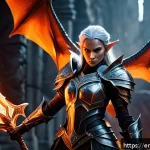
Alright, adventurers, let’s kick things off with something super fundamental but often overlooked: truly understanding your chosen class’s core identity in Lineage M. It’s not just about what skills you have available; it’s about *how* those skills are designed to synergize and fulfill a specific role on the battlefield. Think about it – are you a tank soaking up damage, a nimble damage dealer, or a support maestro keeping everyone alive? When I first started playing, I made the classic mistake of trying to make my Dark Elf into a front-line bruiser, and let me tell you, it ended in countless frustrating deaths and wasted potions. It wasn’t until I truly embraced the Dark Elf’s burst damage and evasion mechanics that I started seeing real results. Each class has its unique rhythm, its strengths, and its undeniable weaknesses. A knight’s job is to disrupt and protect, while an archer excels at sustained ranged damage from a safe distance. Knowing this isn’t just theory; it’s the bedrock of every successful field battle strategy you’ll ever employ. It dictates your positioning, your target priority, and ultimately, your contribution to the team. Without this deep understanding, you’re essentially bringing a knife to a gunfight, or worse, trying to use a scalpel to chop wood. So, take a moment to reflect: what truly makes your class tick? What’s its ultimate purpose in the grand scheme of Aden’s eternal conflict? Once you grasp that, everything else starts falling into place, I promise.
Identifying Your Primary Role and Secondary Functions
Every class has a primary role. For instance, a Knight is a frontline defender, plain and simple. Their main goal is to draw aggro, absorb damage, and apply crowd control. But what about their secondary functions? A Knight can also provide some utility with stun skills, helping to lock down key targets. For my Wizards, while their primary role is devastating area-of-effect damage, I’ve found that their ability to quickly switch to single-target burst spells for eliminating high-priority threats, or even applying crucial debuffs, is often the difference maker in tight spots. This flexibility, understanding that you’re not *just* a damage dealer but also potentially a debuffer, or not *just* a tank but also a subtle disruptor, is critical. It allows you to adapt to fluid battlefield situations without feeling like you’re constantly fighting against your own toolkit. It’s like having a Swiss Army knife instead of just a butter knife; you learn to appreciate all the little tools you’ve got. I’ve personally seen so many players just spam their strongest attack, never realizing they could have saved their party with a well-timed utility spell.
Leveraging Class-Specific Buffs and Debuffs
Beyond direct damage or healing, Lineage M is rife with powerful class-specific buffs and debuffs that can completely swing the tide of a battle. These aren’t just icing on the cake; they are essential tools in your arsenal. As a Dragon Knight player, I absolutely live and breathe by my debuffs. Dropping a well-placed defense reduction on an enemy tank can turn them into paper, allowing my damage dealers to melt them in seconds. Conversely, understanding when to pop your own class buffs, like a Dark Elf’s ‘Shadow Phantasm’ for increased attack speed or an Elf’s ‘Elemental Protect’ for damage reduction, is paramount. I’ve had countless engagements where simply remembering to refresh a crucial buff at the right moment turned a losing skirmish into a decisive victory. It’s not just about raw power; it’s about intelligent application of these often underappreciated abilities. Don’t just cast them because they’re off cooldown; cast them because they serve a specific strategic purpose in that exact moment. Believe me, the pros aren’t just mashing buttons; they’re meticulously timing these crucial effects.
Crafting Your Optimal Skill Rotation
Once you’ve got a firm grasp on your class’s identity, the next big step is crafting an optimal skill rotation. This is where the rubber meets the road, where theoretical knowledge transforms into practical power. I’ve spent literally hundreds of hours in various hunting grounds and PvP arenas, meticulously experimenting with skill sequences. What I’ve found is that there’s rarely a single, static “best” rotation, but rather a flexible framework that you adapt based on the situation. However, having a foundational sequence for burst damage, sustained damage, or even crowd control is absolutely vital. For my Wizard, my standard PvE rotation usually starts with a large AoE spell to soften up groups, followed by single-target nukes on higher HP mobs, and then finishing off stragglers with instant-cast spells. But in PvP, that whole plan goes out the window, replaced by a focus on quick bursts and evasive maneuvers. It’s about efficiency – minimizing downtime, maximizing damage or utility output, and ensuring your most powerful abilities are used at opportune moments. This isn’t just theory; it’s about getting those muscle memory reps in so that your fingers are moving almost instinctively, freeing up your brain to focus on the broader battle. If you’re just wildly spamming skills, you’re leaving so much potential on the table, and frankly, you’re going to get outmaneuvered by players who’ve put in the time to perfect their flow.
Burst vs. Sustained Damage Rotations
This is a critical distinction, especially in dynamic field battles. Do you need to delete a high-priority target *right now*, or do you need to maintain consistent pressure over a longer fight? My personal approach for burst damage, especially on my melee characters, often involves leading with a stun or crowd control skill, followed by all my high-damage, long-cooldown abilities like a Knight’s ‘Shock Stun’ into a ‘Counter Barrier’ combo. For sustained damage, particularly on an Archer, it’s all about maintaining distance and continuously weaving in basic attacks between skill shots, ensuring I don’t run out of mana too quickly. You can’t just go all-in every single time; sometimes, conserving your potent skills for specific enemy thresholds or reinforcements is a far more intelligent play. I’ve learned the hard way that blowing all your cool abilities on the first enemy you see can leave you utterly defenseless when their stronger friends show up. Practice these distinct rotations until they feel natural, almost like breathing, and you’ll immediately see your effectiveness skyrocket.
Adapting Rotations for Different Targets (Bosses, PvP, Mobs)
One size definitely does not fit all when it comes to skill rotations. What works wonders on a pack of weak monsters in a hunting zone will absolutely get you stomped in a large-scale siege or a boss raid. For bosses, my priority shifts entirely to maximizing damage per second (DPS) while being mindful of mechanics, often holding certain skills for specific phases or debuff windows. In PvP, it’s a chaotic dance of anticipating enemy movements, prioritizing their squishy damage dealers, and using crowd control defensively or offensively. My usual strategy involves initiating with a disruptive skill, focusing burst on a key target, and then disengaging if necessary. Against regular mobs, especially when farming, efficiency is key – I want to clear them as fast as possible with minimal resource expenditure. This often means leading with AoE skills and letting them do most of the work. I’ve found that having mental checklists for each scenario helps immensely: “Okay, this is a PvP engagement, so focus on X, Y, Z.” It makes decision-making in the heat of battle so much quicker and more effective. You’ve got to be a chameleon, changing your colors with the environment.
The Art of Defensive and Utility Skill Timing
Offense often wins battles, but defense, my friends, wins wars. Knowing *when* to pop your defensive and utility skills is just as important, if not more so, than knowing your damage rotation. I’ve been in countless situations where a perfectly timed shield, a quick heal, or even a well-placed cleanse has completely turned the tide of an engagement that seemed lost. Think about a Knight’s ‘Iron Skin’ or an Elf’s ‘Greater Heal’ – these aren’t just buttons to press when your HP gets low. They are tactical maneuvers. Using ‘Iron Skin’ *before* a boss’s devastating AoE attack, rather than after you’ve already taken half your health in damage, shows true mastery. Similarly, that ‘Purification’ spell from a Cleric isn’t just for curing poison; it can remove crucial debuffs in PvP that would otherwise leave your allies vulnerable. I’ve been there, staring at a frozen screen in the middle of a raid, kicking myself for not using a resistance buff just a second sooner. It’s all about anticipation, understanding the flow of combat, and reacting not just to what’s happening now, but what’s about to happen. This skill comes with practice, and honestly, a lot of dying, but once you get it, you’ll feel like an absolute god on the battlefield, preserving yourself and your teammates against overwhelming odds.
Pre-emptive Shielding and Damage Mitigation
This is where the true veterans separate themselves from the newcomers. It’s not about reacting to damage, but predicting it. I always try to pre-emptively cast shields or damage mitigation skills when I know a big hit is coming. Whether it’s a boss winding up a charge, or a visible warning on the screen for an area-of-effect spell, popping my ‘Solid Body’ on my Dark Elf just before impact has saved me countless times. It’s about minimizing the damage taken, rather than frantically trying to heal it back. This foresight can drastically reduce the burden on your healers and keep your frontline standing strong. I’ve seen tanks literally shrug off attacks that would one-shot less experienced players, simply because they knew exactly when to activate their invulnerability skills. It’s a subtle dance of anticipation and timing, and it feels incredibly rewarding when you nail it. Plus, it makes your character feel so much tougher!
Strategic Use of Crowd Control and Interrupts
Crowd control (CC) is an absolute game-changer, both offensively and defensively. Think about a Wizard’s ‘Ice Spear’ to freeze an approaching enemy, or a Knight’s ‘Stun Shot’ to interrupt a dangerous enemy spell cast. I use these skills not just to annoy opponents, but to create windows of opportunity or to prevent catastrophe. In PvP, landing a critical stun on an enemy healer or damage dealer allows my team to burst them down before they can react. Defensively, a well-timed root or sleep can buy precious seconds for my allies to reposition, heal, or escape. The trick is knowing *which* enemy to CC and *when*. Don’t just throw them out randomly; identify the biggest threat or the most vulnerable target. I often hold onto my strongest CC skills specifically for when an enemy tries to cast a powerful buff or a game-ending ultimate. Interrupting that can be more impactful than any amount of raw damage. It’s a strategic chess move in the chaos of battle.
Advanced Positional Play and Environmental Awareness
You can have the best gear and perfectly timed skills, but if you’re standing in the wrong spot, you’re essentially a sitting duck. Positional play in Lineage M field battles is absolutely paramount, and it’s something I’ve constantly refined over my years in Aden. This isn’t just about avoiding red circles; it’s about understanding line of sight, choke points, high ground, and even how terrain can shield you or expose you. As a ranged damage dealer, I’m always looking for spots where I can freely attack without drawing aggro from too many mobs, or where I can safely kite an enemy. For my melee characters, it’s about positioning myself to maximize cleave damage while also protecting my backline. I remember one particularly intense siege where our entire strategy revolved around holding a narrow bridge; positioning there meant we could funnel enemies into our AoE spells and mitigate their numbers. It’s about using the environment to your advantage, turning the battlefield itself into an extension of your toolkit. Don’t just run blindly into the fray; take a moment to survey your surroundings, identify cover, and understand how your chosen spot affects both your offense and your defense. A truly skilled player isn’t just fighting enemies; they’re fighting *with* the environment.
Utilizing Terrain for Kiting and Line of Sight
The terrain in Lineage M is more than just pretty scenery; it’s a tactical element. As an Elf, I constantly use obstacles like trees, rocks, or even small buildings to break line of sight (LoS) from ranged enemies while kiting them. This allows me to draw them in, get some damage off, and then duck behind cover to avoid return fire or reset aggro. It’s particularly effective in PvP against other ranged classes. Conversely, I’m always aware of where my enemies might try to use LoS against me. If I’m playing a Wizard, I want an open field to maximize my AoE, but if I’m getting focused, a quick sprint behind a corner can buy me precious seconds to heal or re-engage on my terms. Mastering this aspect of the game can literally keep you alive in situations where pure stats wouldn’t be enough. I’ve often escaped certain death simply by knowing the optimal path to break LoS and make a clean getaway. It’s a game of cat and mouse, and the environment is your best friend.
Awareness of Enemy Positioning and Threat Zones
This goes hand-in-hand with your own positioning. You need to constantly be aware of where your enemies are, where they *want* to be, and what their threat zones are. For example, if I see an enemy Dark Elf charging in, I know they’re looking for that burst damage window, so I’ll try to keep them at arm’s length or position myself near an escape route. If I see a Wizard standing still, I know a big AoE spell is likely coming, so I’ll spread out from my teammates. It’s about reading the battlefield like an open book. I’ve personally saved my party countless times by calling out dangerous enemy positions or identifying when an enemy is overextending and vulnerable. This comes down to developing a sixth sense for danger and opportunity. Don’t just focus on your target; take in the entire tableau of the fight. Who’s flanking? Who’s isolated? Who’s about to unleash a devastating ultimate? The more you observe, the better your decisions will be.
Strategic Cooldown Management and Resource Conservation
This is where the true economic brain of a Lineage M influencer comes into play. It’s not just about hitting your skills; it’s about making every single cooldown and every drop of mana count. Wasting a long-cooldown ultimate on a single weak mob, or spamming high-cost spells when your mana bar is dwindling, is a surefire way to find yourself helpless when the real fight begins. I’ve been there, trust me. There’s nothing worse than seeing a crucial enemy appear and realizing your most powerful ability is on a 2-minute cooldown because you used it haphazardly moments before. My strategy involves a mental prioritization of skills: which ones are essential for burst? Which are for sustained damage? Which are purely defensive or utility? And what are their respective cooldowns? For my support characters, conserving mana is almost a religious practice, only using the most efficient heals or buffs, and never spamming. It’s about finding that delicate balance between maximizing your current impact and ensuring you have enough in the tank for the challenges ahead. Think of your skills and resources as a finite currency; you wouldn’t just throw money away, right? Treat your in-game resources with the same respect, and you’ll always be ready for anything Aden throws at you.
Prioritizing High-Impact Cooldowns
Not all cooldowns are created equal. Some skills, like a Legend-grade ultimate or a powerful transformation, are so impactful that they should be saved for the most critical moments. I always keep a mental tab on these “game-changer” skills. For example, my ‘Absolute Barrier’ on my Wizard is usually held until I absolutely need to survive an overwhelming assault or reposition safely. It’s not something I’d pop for a minor skirmish. Similarly, transformations are often best used when you can guarantee maximum uptime and impact, typically during intense boss phases or large-scale PvP engagements. Learning to resist the urge to use these powerful abilities on a whim is a mark of a seasoned player. It’s like having a “panic button” you actually know *when* to press, rather than just mashing it the second things get hairy. This discernment comes from experience, and it’s a key factor in consistent high-level play.
Efficient Mana and Resource Regeneration
Mana management is often the unsung hero of prolonged field battles. Running out of mana in the middle of a heated fight is a death sentence for most magic-based classes. I’ve personally experimented with various gear sets, enchants, and even temporary buffs to optimize my mana regeneration. It’s not just about having a high base mana pool; it’s about how quickly you can replenish it or how efficiently you use what you have. For my Elves, I lean heavily into ‘Elemental Master’ for mana recovery. For my Wizards, it’s often about weaving in basic attacks between spells to conserve mana, or using lower-cost utility spells when higher damage isn’t immediately necessary. Understanding your class’s specific resource regeneration mechanics – whether it’s through skills, passive abilities, or consumable items – is vital. Always ask yourself: “Can I achieve the same effect with less mana?” If the answer is yes, do it. This mindful approach ensures you’re never caught empty-handed when your team needs you most.
Adapting Your Skillset for Different PvP/PvE Scenarios
Lineage M isn’t a static game, and neither should your approach to skills be. The beauty, and sometimes the challenge, lies in its incredibly diverse content – from casual monster hunting to intense castle sieges and brutal world bosses. What works for clearing out a pack of goblins definitely won’t cut it when you’re facing off against a guild of equally powerful players. This is where adaptation becomes your superpower. I’ve always maintained multiple skill setups, saving different configurations for different scenarios. For my PvE farming builds, I prioritize area-of-effect (AoE) skills, sustained damage, and maybe some self-sustain. But when I switch to PvP, my entire hotbar changes: I load up on crowd control, burst damage, movement skills, and defensive cooldowns. It’s like having a different playbook for every opponent. I remember one time, I jumped into an unexpected guild war without switching my farming skills, and let me tell you, it was a disaster! I was practically useless. That taught me a hard lesson: preparation is key, and adaptation isn’t just a suggestion; it’s a necessity for survival and success in the varied landscape of Lineage M. Don’t be rigid; be fluid, be responsive, and always be thinking about the specific demands of the encounter at hand.
Configuring Skill Presets for Specific Content

Seriously, if you’re not utilizing skill presets, you’re making your life so much harder! This feature is a lifesaver. I have dedicated presets for farming, bossing, small-scale PvP, and large-scale sieges. My farming preset, for instance, focuses on auto-attack efficiency and wide-area damage, ensuring I can clear mobs quickly and conserve potions. My PvP preset, on the other hand, prioritizes single-target burst, defensive counters, and critical crowd control. It saves so much time and mental energy, allowing me to jump into any content with the optimal toolkit ready to go. I’ve often seen players fumbling with their skills in the middle of an urgent situation because they hadn’t pre-configured. Take the time to set these up; it’s an investment that pays dividends in every single session. Trust me, it’s a game-changer that makes adapting seamless.
Reacting to Dynamic Battle Conditions
Beyond pre-configuration, true mastery lies in your ability to react to unforeseen circumstances and dynamic shifts in battle. A new enemy flank, a critical ally falling, or a boss mechanic changing phase – these all demand immediate adjustments to your skill usage. If a new wave of strong melee enemies appears, and I’m playing a ranged character, I might swap to more kiting abilities or defensive spells. If our main tank goes down, I might temporarily use my Warrior’s taunt to draw aggro until they can be revived. It’s about being flexible and thinking on your feet. There’s no script for every fight, so you need to be able to improvise. I’ve found that constantly surveying the minimap and keeping an eye on ally and enemy health bars helps me anticipate these shifts and react accordingly. The faster you can adapt, the more valuable you become to your team, turning potential losses into hard-fought victories.
Unlocking the Power of Transform and Doll Skills
Okay, let’s talk about something that truly elevates your power in Lineage M: your Transforms and Magic Dolls. These aren’t just cosmetic changes or minor stat boosts; they are fundamental shifts in your combat capabilities that can dramatically alter your skill usage and overall strategy. I’ve personally seen players transform at the perfect moment and single-handedly wipe out entire enemy groups or withstand barrages that would normally flatten them. The key is understanding *when* to unleash these powerful forms. Each transform comes with its own set of stats, attack speed, movement speed, and often, unique skills or passive abilities. For instance, a Legendary transform might grant you an insane attack speed buff, making certain basic attack-reliant skill rotations incredibly potent. Similarly, a high-tier Magic Doll can provide crucial buffs like damage reduction, increased healing, or even additional damage through its own attacks. It’s like having an ultimate ability that changes your entire character for a duration. Don’t just pop them because they’re off cooldown; align them with critical moments, whether it’s pushing through a difficult boss phase, initiating a decisive PvP engagement, or securing a valuable hunting spot. These are your ace in the hole, and knowing how to play them is paramount to becoming a top-tier player.
Optimizing Transform Usage for Peak Performance
Think of your transform as your ultimate trump card. For my main characters, I’ve meticulously studied the stat bonuses and unique skills each transform offers. For example, some transforms are fantastic for raw DPS, making my burst rotation even more devastating, while others offer more survivability or utility. I try to align my most powerful transforms with major objectives: a world boss fight where every bit of damage counts, or a crucial castle siege push where I need to break through enemy lines. I also consider their duration and cooldown carefully. Blowing an epic transform too early can leave you vulnerable later in the fight. Conversely, holding onto it for too long means you’re missing out on potential power. It’s a delicate balance, but knowing when to unleash that raw, temporary power makes all the difference. I’ve seen battles swing solely on the back of a perfectly timed Legend transform.
Strategic Deployment of Magic Doll Effects
Magic Dolls are more than just cute companions; they are powerful force multipliers. Each doll brings unique passive and active effects that can significantly impact your gameplay. For my tankier characters, I often choose dolls that provide damage reduction or additional HP regeneration, bolstering their survivability. For my damage dealers, dolls with attack speed buffs or bonus damage procs are invaluable. The strategic deployment comes in understanding how their effects synergize with your class and current situation. In a large-scale battle, a doll that provides area-of-effect damage might be more useful than a single-target focused one. I personally prioritize dolls that fill gaps in my character’s build or enhance existing strengths. For instance, if my character struggles with mana, I’ll seek out a doll that offers mana regeneration. It’s about optimizing your overall profile. Think of your doll as an extension of your character, and choose it wisely to complement your playstyle and the challenges you face.
The Finer Points of Target Prioritization
This is where the tactical mind truly shines on the Lineage M battlefield. You might have all the right skills, perfect rotations, and impeccable timing, but if you’re hitting the wrong targets, you’re simply wasting your efforts. Target prioritization isn’t just a suggestion; it’s a make-or-break element in any challenging encounter, whether it’s a massive PvP brawl or a tricky boss fight. My personal experience has taught me that simply attacking the closest enemy is often the quickest path to defeat. Instead, you need to quickly assess the threats and opportunities. Who is the biggest damage dealer on the enemy team? Who is healing them? Who is applying disruptive crowd control? In PvE, it might be about focusing down the elite monster that buffs its allies, or quickly eliminating the ranged caster before they can chip away at your health. In PvP, it’s almost always about identifying the squishiest high-damage threat or the enemy healer first. I’ve been in countless situations where my team wasted precious seconds attacking an unkillable tank, only to be wiped out by a freely casting mage. Learning to quickly identify and eliminate the most impactful threats is a skill that comes with practice and a keen eye for battlefield dynamics. It’s about being smart, not just strong, and it’s a habit that will serve you well in every single combat situation you encounter in Lineage M.
Identifying High-Threat Targets in PvP and PvE
Whether you’re battling other players or tough monsters, immediately recognizing who to attack first is critical. In PvP, I always scan for enemy Wizards, Archers, and other squishy damage dealers. Taking them out quickly reduces the incoming damage to my team significantly. Healers are also top priority, as eliminating them cripples the enemy’s sustain. For PvE, high-threat targets usually include monsters that apply dangerous debuffs, heal other mobs, or have extremely high burst damage. I’ve found that using the “focus target” mechanic helps immensely in coordinating with my party. Don’t just blindly follow the auto-target; actively choose your enemies. It’s the difference between a chaotic free-for-all and a coordinated, efficient takedown. My personal rule of thumb is: “Who will make this fight harder for my team if they stay alive?” Target them first.
The Importance of Switching Targets Effectively
Sometimes, focusing one target is key, but often, the ability to switch targets effectively is what wins the day. This is especially true in fluid PvP scenarios or boss fights with adds. If I’m bursting down an enemy, and they pop an invulnerability skill, it’s a waste of time and resources to keep hitting them. I immediately switch to the next priority target. Similarly, if a boss spawns adds that pose a significant threat (like healing the boss or doing massive AoE damage), I quickly swap to eliminate them before returning to the main target. Knowing when to commit and when to disengage from a target is a skill that comes with practice. It’s about assessing the current battlefield state: Is my current target too tanky? Are they being heavily healed? Is there a more immediate threat elsewhere? This adaptability ensures your damage and crowd control are always applied where they’ll have the most impact. Don’t be afraid to change your mind in the heat of battle!
| Skill Category | Key Considerations | My Personal Tip |
|---|---|---|
| Offensive Skills (Damage) | Burst vs. Sustained, Cooldowns, Mana Cost, Target Type | Prioritize burst for high-value targets; weave in basic attacks for sustained efficiency. |
| Defensive Skills (Survivability) | Damage Mitigation, Healing, Invulnerability, Debuff Cleanses | Use pre-emptively for predictable heavy hits; save crucial cleanses for impactful debuffs. |
| Utility Skills (Crowd Control, Buffs/Debuffs) | Stuns, Roots, Slows, Interrupts, Team Buffs, Enemy Debuffs | Target enemy healers/damage dealers with CC; time buffs for peak team engagement. |
| Movement Skills (Positioning) | Dashes, Teleports, Speed Boosts | Utilize for escaping danger, repositioning for optimal damage, or initiating safely. |
Closing Thoughts
Whew, we’ve covered a lot today, haven’t we? From digging deep into your class’s true identity to the nuanced dance of defensive skills and the tactical brilliance of positional play, mastering Lineage M is truly a journey of continuous learning. It’s not just about hitting buttons; it’s about making smart, informed decisions that can completely turn the tide of a battle. I’ve personally poured countless hours into refining these exact aspects, and the sheer satisfaction of pulling off a perfectly executed strategy is what keeps me coming back. Remember, every battle, every skirmish, every boss fight is an opportunity to learn, adapt, and grow. So take these insights, hit the fields of Aden, and start turning theory into exhilarating victories. You’ve got this!
Useful Information to Keep in Mind
1. Don’t be afraid to experiment with your build and skill setups. What works for one person might not be perfect for you, and sometimes the most unexpected combinations yield amazing results. Personalize your play!
2. Keep an eye on high-level players, especially those streaming on platforms like Twitch or YouTube. Watching their decision-making and skill usage can give you tons of practical ideas to try out yourself.
3. Join an active and supportive guild. The collective knowledge and experience of a good community are invaluable, and you’ll find that sharing tips and strategizing together makes the game so much more enjoyable.
4. Don’t get discouraged by mistakes. Every single time I messed up a rotation or got caught out of position, it was a lesson learned. Embrace those moments, analyze what went wrong, and come back stronger.
5. Always stay updated with the latest patch notes and meta changes. Lineage M is a living game, and what’s strong today might shift tomorrow. Being informed keeps your strategies fresh and effective.
Key Takeaways
In the grand tapestry of Lineage M, true mastery isn’t found in simply having the best gear, though that certainly helps! It’s about a holistic understanding of your character and the dynamic world around you. We’ve talked about how crucial it is to truly grasp your class’s core identity, knowing whether you’re a damage dealer, a stalwart protector, or a vital support. This foundation then allows you to craft optimal skill rotations, not just mindlessly spamming abilities, but timing them for maximum impact in both burst and sustained damage scenarios. My own battlefield experiences have hammered home the importance of defensive and utility skills – knowing exactly when to pop that shield or deploy that crucial crowd control can genuinely snatch victory from the jaws of defeat. Remember that feeling when you perfectly block a boss’s devastating attack? That’s what we’re aiming for!
Beyond your personal toolkit, advanced positional play and environmental awareness are your silent partners in success. I’ve personally seen how using terrain for kiting or understanding enemy threat zones can completely change the outcome of a fight. And let’s not forget strategic cooldown management and resource conservation; every mana point and every cooldown is a valuable currency in Lineage M. It’s about being smart with what you’ve got, preparing for the long haul. Finally, the ability to adapt your skillset for different PvP and PvE scenarios, and especially leveraging your Transforms and Magic Dolls at just the right moment, separates the good players from the truly great ones. It’s a journey that demands observation, practice, and a willingness to constantly refine your approach, but the rewards—those epic victories and the camaraderie with your teammates—are absolutely worth every moment. Keep practicing, stay sharp, and I’ll see you on the battlefield!
Frequently Asked Questions (FAQ) 📖
Q: How can I figure out the optimal skill rotation for my specific class in Lineage M field battles to maximize my impact?
A: Oh, this is a question I get all the time, and it’s a fantastic one because it’s the very core of mastery! Honestly, there’s no single, universal answer because every class feels so wonderfully unique in Lineage M.
What I’ve personally found to be the most effective approach is to really dig into your character’s skill descriptions first. Don’t just skim them! Pay close attention to cooldowns, casting times, and especially those sweet synergies – which skills boost others, or apply a debuff that makes your next attack hit harder?
For example, my Dark Elf, I noticed that applying a specific bleed first makes my follow-up damage burst so much more potent. Then, it’s all about practice.
Head into a less contested hunting ground or even a training dummy area, and just try things. Experiment with different sequences. I like to start with my longest cooldown, high-impact skills, then weave in my bread-and-butter damage abilities, and keep those essential buffs and debuffs up without fail.
One trick I swear by is recording yourself or even just mentally noting the combat log – seeing those damage numbers pop up after different rotations gives you a real feel for what’s working and what isn’t.
Don’t be afraid to adjust; the “optimal” rotation isn’t static, it evolves as you get new skills or gear. It’s a journey, not a destination, and honestly, that’s what makes it so much fun!
Q: What are some common pitfalls or mistakes players often make when using skills in chaotic Lineage M field combat, and how can I avoid them?
A: This is where experience really shines, my friends! We’ve all been there – that moment when the screen is a blur of effects, and you’re just button-mashing, right?
One of the biggest mistakes I see, and have absolutely made myself, is what I call “panic spamming.” You just throw out every skill you have without thinking, usually because you’re under pressure.
The problem? You burn through all your cooldowns in seconds, leaving you utterly helpless for the crucial moments that follow. I learned this the hard way more times than I care to admit!
To avoid this, try to slow down your reactions, even in the heat of battle. Develop muscle memory for your core rotation, but always keep an eye on your cooldowns.
Another huge pitfall is ignoring your surroundings. It’s easy to get tunnel vision on your target, but suddenly you’re surrounded, and all your single-target skills aren’t helping.
I’ve personally been wiped out by not noticing that wizard charging up a huge AoE spell right behind me. Always be aware of enemy spawns, incoming damage, and where your party members are.
Lastly, don’t underestimate the power of knowing when not to use a skill. Sometimes holding onto that stun or ultimate for the perfect moment – like interrupting an enemy boss’s powerful cast or clearing a sudden mob of elite monsters – is far more impactful than just using it off cooldown.
Patience, my friends, is a virtue even in the most frantic battles!
Q: Beyond just skill rotations, how do I truly adapt my skill usage when facing different types of enemies or varying group sizes in the Lineage M open world?
A: Oh, this is where you elevate from a good player to a truly great one, trust me! It’s not just about hitting buttons in order; it’s about making smart decisions on the fly.
The open world of Lineage M throws so much at you, doesn’t it? From solo grinding against regular mobs to getting jumped by a hostile player, or even participating in massive clan vs.
clan skirmishes. What I’ve found crucial is a deep understanding of your skills’ utility. Are you facing a single, high-HP elite monster?
Focus all your single-target damage bursts and try to apply any long-duration debuffs that will wear them down. If you’re suddenly swarmed by a pack of weaker monsters, immediately pivot to your Area of Effect (AoE) skills – those lovely abilities that hit multiple targets.
I remember once I was peacefully farming, and a giant pack of aggressive monsters spawned right on top of me. My initial reaction was to panic and try to focus one, but quickly switching to my AoE combo saved my skin!
When dealing with other players, it’s a completely different beast. You need to identify their class quickly and prioritize your crowd control (CC) skills or defensive abilities.
If it’s a ranged attacker, can you close the gap with a dash or a stun? If it’s a melee tank, can you kite them while applying damage over time? This adaptability comes from experience, of course, but also from asking yourself “What’s the best tool in my kit for this situation right now?” Think of your skill bar as a Swiss Army knife, and you’re learning which blade to pull out for each unique challenge.