As a seasoned English blog influencer with an undeniable passion for mobile gaming, especially the adrenaline-pumping world of MMORPGs, I know a thing or two about dominating the battlefield.
Lineage M’s Siege Wars aren’t just massive player-versus-player clashes; they’re intricate chess matches played out in real-time, demanding unparalleled strategy and coordination.
What I’ve personally observed, especially with the surge in competitive mobile gaming and its growing esports scene, is that raw power alone won’t cut it anymore.
The meta constantly shifts, new updates bring unexpected challenges, and the difference between victory and crushing defeat often comes down to who prepared smarter, not just harder.
I’ve been in those intense moments, feeling the rush of a perfectly executed flanking maneuver or the frustration of a disorganized defense, and trust me, preparation is the game-changer.
Whether you’re a seasoned veteran or looking to make your mark in the next castle siege, understanding the nuances of pre-war strategy is absolutely essential for your clan’s success and, let’s be honest, your personal bragging rights.
After all, the landscape of mobile MMOs is getting more sophisticated, with complex mechanics and deeper progression systems that reward thoughtful play.
It’s no longer just about who spends the most time grinding; it’s about intelligent resource management, strategic team composition, and leveraging every single advantage.
Curious about how to consistently outsmart your rivals and plant your guild’s banner on the castle walls? Let’s meticulously uncover the secrets to mastering Lineage M Siege Wars and turn your aspirations into undeniable victories.As a seasoned English blog influencer with an undeniable passion for mobile gaming, especially the adrenaline-pumping world of MMORPGs, I know a thing or two about dominating the battlefield.
Lineage M’s Siege Wars aren’t just massive player-versus-player clashes; they’re intricate chess matches played out in real-time, demanding unparalleled strategy and coordination.
What I’ve personally observed, especially with the surge in competitive mobile gaming and its growing esports scene, is that raw power alone won’t cut it anymore.
The meta constantly shifts, new updates bring unexpected challenges, and the difference between victory and crushing defeat often comes down to who prepared smarter, not just harder.
I’ve been in those intense moments, feeling the rush of a perfectly executed flanking maneuver or the frustration of a disorganized defense, and trust me, preparation is the game-changer.
Whether you’re a seasoned veteran or looking to make your mark in the next castle siege, understanding the nuances of pre-war strategy is absolutely essential for your clan’s success and, let’s be honest, your personal bragging rights.
After all, the landscape of mobile MMOs is getting more sophisticated, with complex mechanics and deeper progression systems that reward thoughtful play.
It’s no longer just about who spends the most time grinding; it’s about intelligent resource management, strategic team composition, and leveraging every single advantage.
Curious about how to consistently outsmart your rivals and plant your guild’s banner on the castle walls? Let’s meticulously uncover the secrets to mastering Lineage M Siege Wars and turn your aspirations into undeniable victories.
Assembling Your Elite Combat Roster
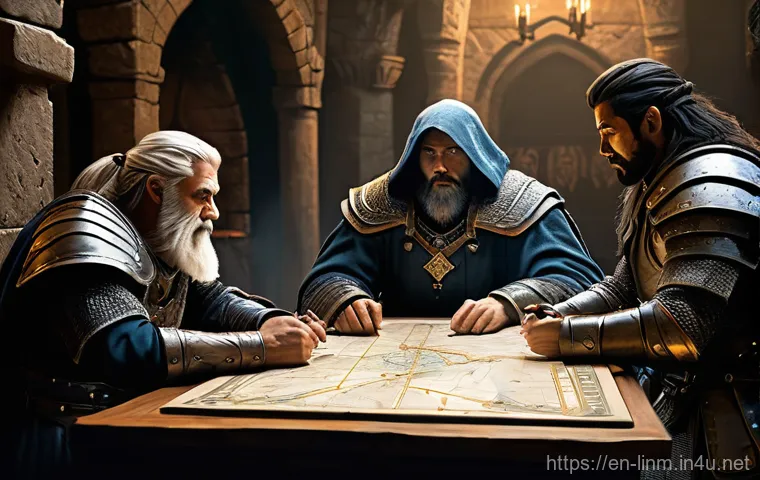
When it comes to Lineage M Siege Wars, let me tell you, it’s not just about having a bunch of powerful players. I’ve seen countless times where a smaller, more organized clan absolutely steamrolled a larger one simply because they had a better roster composition.
It’s like building a championship sports team – you need your heavy hitters, your nimble playmakers, and your rock-solid defenders. Personally, I always start by looking at our clan’s overall strengths and weaknesses.
Do we have enough tanks to soak up damage? Are our damage dealers truly optimized for burst, or do we lean more towards sustained DPS? And don’t even get me started on the importance of support classes; a well-placed heal or a crucial crowd control spell can turn the tide faster than you can say “Adén”.
It’s about creating a balanced ecosystem where every class supports the others, covering each other’s vulnerabilities. We once went into a siege with a heavy focus on ranged damage, thinking we could just kite the enemy, but we quickly realized our frontline crumpled too fast without dedicated off-tanks.
That taught me a tough lesson: true power lies in synergy, not just raw stats. Think of it this way: a few incredibly strong individuals might win a skirmish, but a coordinated, diverse army wins the war.
This meticulous planning around our members’ main classes and their secondary roles is where the magic truly begins.
Identifying Core Roles
Every successful siege effort hinges on clearly defined roles. In my experience, you need dedicated frontline tanks who can absorb the initial onslaught and hold key chokepoints.
These aren’t just high HP characters; they’re players who understand aggression management and threat prioritization. Behind them, your melee and ranged damage dealers need to know their targets – focus fire is paramount.
I’ve often seen guilds struggle because everyone just attacks the closest enemy, diluting their damage. Then there are the crucial support classes: healers keeping everyone topped up and debuffers/buffers swinging the statistical pendulum in our favor.
Don’t forget the utility players, the ones who can quickly switch roles, or those with specific skills valuable for breaking through gates or disrupting enemy formations.
We always have a pre-siege meeting to confirm who’s playing what role, assigning specific objectives to each subgroup. It really helps to avoid that chaotic “chicken with its head cut off” feeling once the timers start ticking down.
Maximizing Class Synergy
This is where the real tactical genius comes into play. It’s not enough to just have a tank, a healer, and a DPS. You need to consider how their skills interact.
For instance, a Dark Elf’s curse might perfectly set up a Knight’s stun, or an Elf’s elemental shot could capitalize on a Wizard’s area-of-effect spell.
I love seeing a well-executed combo where a specific group focuses on breaching one part of the castle while another group distracts the defenders. In a recent siege, we had our Wizards and Elves focus on softening up the outer defenses with their AoE, while our Knights and Dark Elves pushed through a less defended flank.
The key is to communicate these synergies beforehand and practice them. It’s about more than just numbers; it’s about intelligence and coordinated execution.
I often recommend trying out different compositions in smaller PvP skirmishes or even just theory-crafting with your clanmates. The more you understand how your classes interact, the more effective your overall siege strategy becomes.
| Role Type | Primary Objective | Key Classes (Examples) | Critical Skills/Focus |
|---|---|---|---|
| Frontline Tank | Absorb damage, hold positions, disrupt enemy lines | Knight, Dark Knight, Dragon Knight | High HP/Defense, Taunts, Stuns, Damage Mitigation |
| Melee DPS | High single-target or cleave damage, eliminate key threats | Dark Elf, Berserker, Warrior | Burst Damage, Sustain DPS, Debuffs, Positional Play |
| Ranged DPS | Consistent damage from a distance, focus fire, siege weapon damage | Elf, Mage (Wizard), Spearman | AoE Damage, Single Target Burst, Kiting, Utility Spells |
| Support/Healer | Sustain allies, apply buffs, remove debuffs, provide crowd control | Elf (Healer build), Wizard (Utility build) | Healing Spells, Buffs, Shields, Root/Sleep Effects |
| Utility/Disruptor | Target specific structures, disrupt enemy formations, flank | Assassin, Enchanter, Spearman (Specific builds) | Gate Damage, Silence, Blinds, Speed Buffs/Debuffs |
Strategic Blueprinting: Beyond Just Charging In
Honestly, the biggest mistake I see clans make in Lineage M Siege Wars is thinking that raw power alone will win the day. I’ve been there, thinking we were just strong enough to bash our way through, only to be met with a perfectly coordinated defense that shattered our confidence and our lines.
A siege isn’t a brawl; it’s a chess match on a grand scale, and you need a solid blueprint before you even step onto the battlefield. This means detailed planning that goes beyond just “go kill them.” You need to understand the map, anticipate enemy movements, and have contingencies for when things inevitably go sideways.
I remember one siege where our initial push failed spectacularly, but because we had a fallback plan to secure a specific secondary objective, we were able to regroup, re-strategize, and eventually capture the castle.
That experience really hammered home the idea that flexibility within a structured plan is far more effective than rigid adherence to a single, often flawed, idea.
It’s about laying out your intentions and then constantly adapting as the battle unfolds.
Developing Phased Attack Plans
A well-structured attack isn’t a single wave; it’s a series of coordinated phases. My clan usually starts with a scouting phase, getting eyes on the enemy’s main defensive positions and identifying potential weak points.
Then comes the initial breach – how are we getting into the outer walls? Are we focusing on one gate, or splitting into multiple groups for simultaneous pressure?
Once inside, the next phase is securing key internal objectives, like control points or the inner gate. Each phase needs clear objectives, assigned leaders, and specific timeframes, if possible.
I’ve found that having these smaller, manageable goals prevents the entire raid from devolving into chaos. When everyone knows their specific role in each phase, even if the overall plan needs to shift, they can still execute their current objective effectively.
It’s a dynamic process, and communicating these phases effectively is a game-changer.
Defensive Formations and Counter-Play
Even if you’re on the offensive, understanding defensive formations is crucial for breaking them, and if you’re defending, well, it’s your bread and butter.
We always discuss potential enemy strategies based on their clan composition and past performance. Are they known for a strong initial push? Do they prefer to turtle?
Knowing this helps us set up our own counter-plays. For instance, if we anticipate a heavy concentrated push, we might set up layered defenses with choke points and powerful AoE spellcasters positioned to devastate their advancing lines.
If they like to split push, we’ll ensure we have mobile strike teams ready to reinforce weak spots. I’ve learned that a good defense isn’t just about standing still; it’s about dynamic responses, baiting the enemy into unfavorable positions, and having designated “firefighters” who can quickly move to stem a breach.
It’s about anticipating their next move and already having yours prepared.
Mastering the Art of Resource Stockpiling
Let’s get real for a moment: winning Lineage M Siege Wars isn’t just about skill in the moment; it’s also about what you bring to the fight. And I’m not just talking about your character’s gear.
I’m talking about an absolute mountain of consumables, scrolls, and enough Adena to buy a small kingdom. I’ve seen battles lost not because of a lack of tactical prowess, but because players ran out of healing potions, lacked critical buff scrolls, or simply couldn’t afford to resurrect their fallen comrades.
It’s a harsh reality of these large-scale PvP events – resources are consumed at an astonishing rate. My personal rule of thumb is always to over-prepare.
If I think I need 100 healing potions, I’ll bring 200. It’s better to have too much than to be caught short in the heat of battle. I remember a particularly grueling siege that lasted almost two hours, and the only reason our clan held on was because our dedicated quartermasters had spent weeks stockpiling everything imaginable.
That victory felt earned not just on the battlefield, but in the painstaking preparation leading up to it.
Prioritizing Key Consumables
When preparing for a siege, not all consumables are created equal. High-grade healing potions and elixir of life are absolute non-negotiables. You’ll chew through them like candy.
But don’t overlook less obvious but equally vital items. Buff scrolls that increase damage, defense, or accuracy can make a tangible difference over the course of an extended engagement.
We always make sure our entire clan has a good supply of these. Then there are the specialized scrolls, like those for teleportation, which can be crucial for quick rotations or escaping a losing engagement.
I also advocate for having plenty of ‘Return Scrolls’ – they’re not just for convenience; they can be a tactical retreat option. Make a checklist for your clan members.
It sounds basic, but in the rush of getting ready, it’s easy to forget something critical. We even have a dedicated storage character filled with emergency supplies, just in case.
Efficient Adena Management
Adena is the lifeblood of Lineage M, and nowhere is that more apparent than in siege preparations. You need Adena for those high-grade potions, for enhancing your gear, for resurrecting, and for countless other small but crucial expenditures.
My advice? Start saving early. Don’t blow all your Adena on frivolous purchases in the weeks leading up to a siege.
Prioritize siege-related expenses. Encourage your clan members to farm efficiently, participate in events that reward Adena, and sell off unnecessary drops.
A collective clan fund can also be immensely helpful, allowing the leadership to purchase bulk supplies or fund specific strategic initiatives. I’ve even seen clans pool resources to buy a powerful artifact or enchant a key member’s gear just before a major siege.
Smart Adena management isn’t glamorous, but it’s a foundational pillar of siege success. It allows you to maintain momentum and recover from losses without crippling your individual or clan economy.
Optimizing Your Gear and Character Builds
Look, I get it. We all want the shiny new gear and those high enchantments. But in Lineage M Siege Wars, it’s not just about having the highest numbers; it’s about having the *right* numbers for the specific challenge of a siege.
I’ve seen players with impressive PvE gear utterly flounder in PvP because their build wasn’t optimized for player-versus-player combat. Conversely, I’ve seen modestly geared but cleverly built characters become absolute nightmares for the enemy.
My personal journey through countless sieges has taught me that adaptability and focus are key. You might have a fantastic farming build, but for a siege, you need to think about survivability against other players, crowd control resistance, and burst damage potential.
It’s a different beast entirely, and ignoring that difference is a surefire way to end up on the wrong side of the kill feed. You really have to get into the weeds of your stats and skills to truly shine.
The Hunt for Perfect Enchantments
Enchantments are where a lot of the magic happens, aren’t they? But for siege warfare, you need to be strategic. While getting your weapon to +9 or +10 is always great, consider your defensive enchantments just as critically.
Damage reduction, stun resistance, and magic resistance can be far more valuable than a few extra points of attack in a large-scale PvP environment where you’re constantly taking hits from multiple sources.
I always encourage my clan members to prioritize defensive enchantments on their armor and accessories up to a comfortable level before going all-in on offensive ones for siege days.
It means you can stay in the fight longer, absorb more punishment, and ultimately contribute more to your clan’s effort. It’s about being a resilient force on the battlefield, not a glass cannon that gets popped in the first skirmish.
Tailoring Builds for Siege PvP
This is where personal experience really comes into play. I’ve spent hours theory-crafting and testing different skill sets and stat distributions specifically for sieges.
For example, if you’re a tank, investing in abilities that boost your HP recovery or provide short bursts of damage mitigation can be more beneficial than pure offensive skills.
If you’re a damage dealer, consider skills with shorter cooldowns or wider area-of-effect that can hit multiple targets, as opposed to single-target nukes that might be overkill for weaker enemies or ineffective against tanks.
Also, don’t forget about specific resistance stats. Are the enemy clans known for their Wizards? Then magic resistance is your friend.
Do they have a lot of Dark Elves? Consider stun resistance. It’s about anticipating the meta and adjusting your build accordingly.
Every little edge you can carve out for yourself and your clan contributes to that ultimate victory.
Cultivating Unbreakable Clan Morale
I’ve been in sieges where we were clearly outmatched in terms of raw power, yet we still managed to pull off incredible upsets. And every single time, the secret ingredient wasn’t some hidden tactic or overpowered gear; it was sheer, unadulterated clan morale.
There’s an intangible force that comes from a group of people who genuinely like and trust each other, who are willing to fight tooth and nail for their shared goal.
It’s the difference between players giving up after a few setbacks and players digging deep, regrouping, and charging back into the fray. I honestly believe that fostering this kind of camaraderie is one of the most important, yet often overlooked, aspects of siege preparation.
It’s not something you can just conjure up on siege day; it’s built over weeks and months of playing together, celebrating wins, and commiserating over losses.
Fostering Team Cohesion
Team cohesion isn’t just about being in the same clan; it’s about feeling like a genuine team. We regularly run dungeons together, help each other with gear upgrades, and even just hang out in voice chat to talk about random stuff.
These casual interactions build bonds that translate directly to the battlefield. When you know and respect the person next to you, you’re far more likely to instinctively cover their flank, throw them a critical heal, or follow their callout without hesitation.
We also make an effort to celebrate individual achievements and collective victories, no matter how small. It creates a positive feedback loop and reinforces the idea that we’re all in this together.
The trust and understanding built during these times are absolutely invaluable when the pressure cooker of a siege war starts to boil over.
Pre-War Pep Talks and Mindset
Before every major siege, I make it a point to give a little pep talk to the clan. It’s not about being overly aggressive or shouting empty slogans. It’s about reminding everyone of our strengths, acknowledging the challenges, and reiterating our shared purpose.
I talk about past victories, lessons learned, and the sheer fun of overcoming a tough opponent. It’s crucial to get everyone in the right headspace – focused, determined, but also ready to have a good time.
A positive mindset can overcome a lot of obstacles. I always emphasize that win or lose, we’ll learn something, and we’ll do it as a team. This mental preparation is just as important as any gear upgrade or strategy meeting.
It instills confidence and helps to temper the nerves that naturally come with such high-stakes PvP, ensuring everyone steps onto the battlefield with a warrior’s spirit.
The Crucial Role of Communication and Leadership
If there’s one thing that can absolutely make or break a Lineage M Siege War, it’s communication. Or, more accurately, the lack thereof. I’ve witnessed situations where a clan had superior numbers and gear, but because their communication was a chaotic mess, they crumbled under pressure.
It felt like watching a bunch of incredibly talented musicians all playing different songs at once – loud, but utterly unharmonious. On the flip side, I’ve been part of underdog victories where crystal-clear communication and decisive leadership were the real heroes.
Every single callout, every strategic command, every piece of intel shared in real-time contributes to the bigger picture. It’s a living, breathing organism, and if the nervous system (communication) isn’t functioning properly, the whole body (clan) suffers.
Trust me, I’ve spent countless hours barking orders and relaying information, and it’s physically draining, but absolutely essential for coordinating a large group effectively.
Establishing Clear Command Structures
You absolutely need a clear chain of command. In our clan, we have a main siege commander who oversees the entire battle, delegating to a few trusted sub-commanders.
These sub-commanders are responsible for smaller platoons or specific objectives, like a “breaching team leader” or a “defense coordinator.” Everyone needs to know who they report to and whose calls to prioritize.
This avoids the dreaded “too many cooks in the kitchen” scenario where conflicting orders lead to confusion and hesitation. I’ve personally taken on roles where I’m leading a flanking maneuver, and knowing that the main commander trusts me to execute while providing overarching support is a huge confidence booster.
It enables rapid decision-making and ensures that the entire clan is moving as a cohesive unit towards a shared goal. Without this structure, it’s just a free-for-all, and that almost never ends well.
Real-Time Callouts and Adaptability
The battlefield is constantly shifting, and what looks like a solid plan at the outset can quickly become obsolete. This is where real-time communication becomes paramount.
Clan members need to be constantly feeding information back to their commanders: “Enemy pushing on the west gate!” “Healers getting focused!” “We’ve breached the inner wall!” Commanders then process this information and issue new directives or adjustments to the existing plan.
It’s a continuous feedback loop. I always emphasize that no information is too small, and silence is the enemy. Also, be ready to adapt.
I’ve had to scrap entire attack plans mid-siege because the enemy surprised us with a new defensive setup. Being able to quickly communicate changes and have the clan pivot smoothly is a hallmark of truly effective leadership and disciplined members.
It’s exhilarating when it all comes together and you see your clan react almost telepathically to a sudden change in battle conditions.
Understanding Your Adversary: Intel is Power
You wouldn’t walk into a final boss fight without understanding its mechanics, right? The same principle applies to Lineage M Siege Wars. Going into a siege blindly, without any knowledge of your opponent, is essentially a death wish.
I’ve made that mistake before, underestimating a rival clan only to find they had a secret weapon or a devastating strategy we weren’t prepared for. That sting of defeat taught me that intel isn’t just a bonus; it’s a critical component of pre-siege strategy.
Knowing who you’re up against, what their strengths are, and where their weaknesses lie can give you an incredible edge, even against numerically superior forces.
It’s like having a sneak peek at their hand in a poker game – you can tailor your strategy to exploit their habits and mitigate their advantages, turning the tables before the first arrow is even fired.
Scouting Enemy Compositions
Before any major engagement, our clan dedicates time to intel gathering. This means observing rival clans in smaller PvP encounters, checking their top players’ gear on the global rankings (if accessible), and paying attention to their usual class compositions.
Do they rely heavily on a few powerful tanks? Are their damage dealers predominantly ranged or melee? Do they have a lot of support classes?
Understanding their typical setup allows you to anticipate their movements and craft counter-strategies. For instance, if a rival clan fields a lot of Dark Elves, we might prioritize stun resistance.
If they have many Wizards, we’ll focus on anti-magic defenses. It’s about building a profile of your enemy and then figuring out the best way to dismantle it.
This isn’t just theory-crafting; it’s practical, actionable information that directly influences our siege day decisions.
Analyzing Past Performance
History often repeats itself, especially in persistent online games. Taking the time to review an opponent’s past siege performances can reveal invaluable patterns.
Did they always attack a specific gate? Do they usually send a small, sneaky team to backdoor? How do they react when their initial push is repelled?
I even keep notes on major rival clans – their preferred tactics, their key players, and any noticeable changes in their roster or leadership. This historical data provides a foundation for predicting their likely actions and preparing for their signature moves.
It allows you to anticipate their chess moves before they even make them, setting traps or preparing ambushes that can surprise them and swing the momentum firmly in your favor.
It’s a bit like being a detective, piecing together clues to solve the mystery of how to conquer the castle!
Closing Thoughts
Whew! We’ve covered a lot, haven’t we? From meticulously building your combat roster to the art of resource management and the absolute necessity of unbreakable morale, Lineage M Siege Wars are a multifaceted beast. My journey through countless battles has shown me time and again that while individual prowess is important, true victory blossoms from a cohesive, well-prepared, and adaptable clan. It’s exhilarating to see all these elements click into place during the heat of battle, transforming what seems like impossible odds into a triumphant moment for everyone involved.
Useful Information to Keep in Mind
Here are a few quick takeaways that I’ve found incredibly useful over the years, things you can immediately start applying to your own siege preparations:
1. Always, and I mean *always*, do your homework on the enemy. Knowing their typical class composition and past strategies is like having a crystal ball. It allows you to tailor your entire approach and anticipate their moves before they even make them.
2. Prioritize survivability in your gear and character build. A damage dealer who stays alive to dish out consistent DPS is far more valuable than a glass cannon that gets instantly wiped. Defensive enchantments and a healthy stock of healing potions are your best friends in a prolonged siege.
3. Establish a crystal-clear chain of command and practice real-time communication. Chaos is the enemy of victory, and swift, accurate information flow is the backbone of any successful siege operation. Everyone needs to know their role and who to listen to.
4. Foster genuine camaraderie within your clan. The intangible bonds of trust and friendship often turn the tide in battles where raw power is evenly matched. Celebrate small victories, support each other, and build that unbreakable team spirit outside of siege day.
5. Embrace adaptability. No battle plan survives contact with the enemy, as they say. Be ready to pivot, adjust your tactics on the fly, and have contingency plans for when things inevitably go sideways. Flexibility is the key to weathering the storm and emerging victorious.
Key Takeaways
Ultimately, Lineage M Siege Wars are a testament to the power of strategic planning, resourcefulness, and unyielding team spirit. It’s a continuous learning process, where every siege, win or lose, offers valuable lessons. By focusing on smart roster assembly, detailed strategic blueprinting, meticulous resource management, optimized gear, strong clan morale, clear communication, and thorough adversary analysis, you’re not just participating; you’re actively shaping your destiny on the battlefield. Keep honing these skills, fight with passion, and always remember that a shared victory is the sweetest reward.
Frequently Asked Questions (FAQ) 📖
Q: Beyond just grinding gear, what are the most overlooked but essential pre-siege preparations that truly make a difference in Lineage M Siege Wars?
A: Oh, this is a question I absolutely love because it hits right at the core of what separates the consistently victorious clans from the ones always scratching their heads after a defeat!
While raw gear score definitely helps, I’ve personally seen countless times how smarter preparation absolutely trumps brute force. What’s often overlooked, in my experience, is a deep dive into enemy intelligence.
It’s not just about knowing their top players; it’s about understanding their typical siege formations, their preferred objective targets (do they always rush the inner gate?
Or do they try a sneaky back attack?), and even their class distribution. I swear, simply having a few dedicated scouts report on enemy movements during the week leading up to the siege, noting who’s active, what their main classes are, and how they generally operate in smaller skirmishes, can give you an invaluable edge.
Another crucial, yet often neglected, aspect is resource pooling and strategic item crafting. Are your tanks stocked with enough potions and scrolls? Does your clan have a dedicated crafter churning out those niche, high-grade items that can turn a tide?
I remember one siege where we knew an enemy clan relied heavily on a specific area-of-effect spell, so we strategically crafted and distributed resistance buffs to our front line, and it made their main attack almost completely ineffective.
The look on their faces, if you could see it, would have been priceless! Don’t just focus on personal power; think about the collective arsenal and how intelligently you can deploy it.
Finally, and this is a big one for me, mental and logistical readiness. Are your key leaders clear-headed? Is everyone on the same communication platform, and do they know the contingency plans?
A calm, prepared leader communicating clear objectives can steer a chaotic battle to victory even when numbers are against you. It’s truly about playing chess, not checkers.
Q: How can my clan, especially if we’re not the biggest whale guild, effectively coordinate our strategy and resources to stand a chance against more powerful adversaries?
A: This is the million-adena question for so many clans, and trust me, I’ve been there! It’s incredibly frustrating to go up against a clan that just out-spends you, but here’s where genuine skill and teamwork shine.
My biggest piece of advice for smaller or less resource-rich clans is to embrace hyper-specialization and intelligent force multiplication. You might not have 20 maxed-out tanks, but you can have 5 incredibly well-coordinated, well-equipped tanks with dedicated healers and support classes.
Instead of trying to be good at everything, identify your clan’s unique strengths. Do you have exceptional archers? Build your strategy around kiting and ranged damage.
A few really strong mages? Plan ambushes and choke point control with their AoE. Don’t spread your limited resources thin trying to match a whale guild everywhere.
Focus your efforts. What I’ve seen work wonders is establishing crystal-clear roles and responsibilities before the siege even begins. Everyone needs to know exactly what they’re doing, where they need to be, and who they report to.
We used to run mock drills in our clan’s private arena, just practicing formations and call-outs. It sounds intense, but it builds muscle memory! Another game-changer is leveraging the environment.
Stronger clans often just brute force their way through. As the underdog, you need to use the castle’s layout to your advantage. Are there narrow hallways where you can bottleneck their main force?
Hidden corners for a surprise flank? I always tell my clanmates, “Think like a guerrilla fighter, not a charging knight.” And don’t underestimate the power of morale and camaraderie.
A smaller, unified clan with high spirits and unwavering loyalty can often outlast a disorganized, richer opponent who squabbles internally. Cultivate that team spirit; it’s a powerful, intangible resource no amount of money can buy.
Q: The meta changes constantly! What’s your go-to method for adapting our siege strategy to new updates or unexpected enemy compositions?
A: Oh, the ever-shifting meta – it’s both the bane and the beauty of Lineage M, isn’t it? If you’re not adapting, you’re falling behind, plain and simple.
My absolute go-to method for staying ahead, and something I advocate for every single clan, is continuous observation and a dedicated “meta-watch” team.
I’m talking about a small, sharp group of players who actively pay attention to patch notes, read official forums, and (most importantly) observe what the top guilds are doing in their sieges.
It’s not just about copying, but understanding why certain strategies or class builds are gaining traction. For instance, if a new skill or item suddenly makes a niche class incredibly powerful, you need to identify that early and figure out how it impacts your own strategy – either by incorporating it or developing a counter.
Another critical element is flexibility in your core strategies. Don’t be so rigid with your battle plans that you can’t pivot mid-siege. I’ve been in plenty of sieges where our initial plan utterly failed because the enemy brought an unexpected composition.
That’s when your leadership needs to be able to call audibles and for the rest of the clan to execute those changes swiftly. This comes back to excellent communication and clear chain of command, truly.
After every single siege, win or lose, we hold a post-mortem debrief. What worked? What didn’t?
Why? What did the enemy do that surprised us? How can we prepare for that next time?
This isn’t about blaming anyone; it’s a vital learning process. I’ve personally found that these debriefs are where the real breakthroughs happen, where you uncover those little adjustments that can lead to massive victories down the line.
It’s like iterating on a battle plan, constantly refining it, making it stronger with every new piece of information. Stay curious, stay observant, and never stop learning – that’s the true secret to mastering the meta.