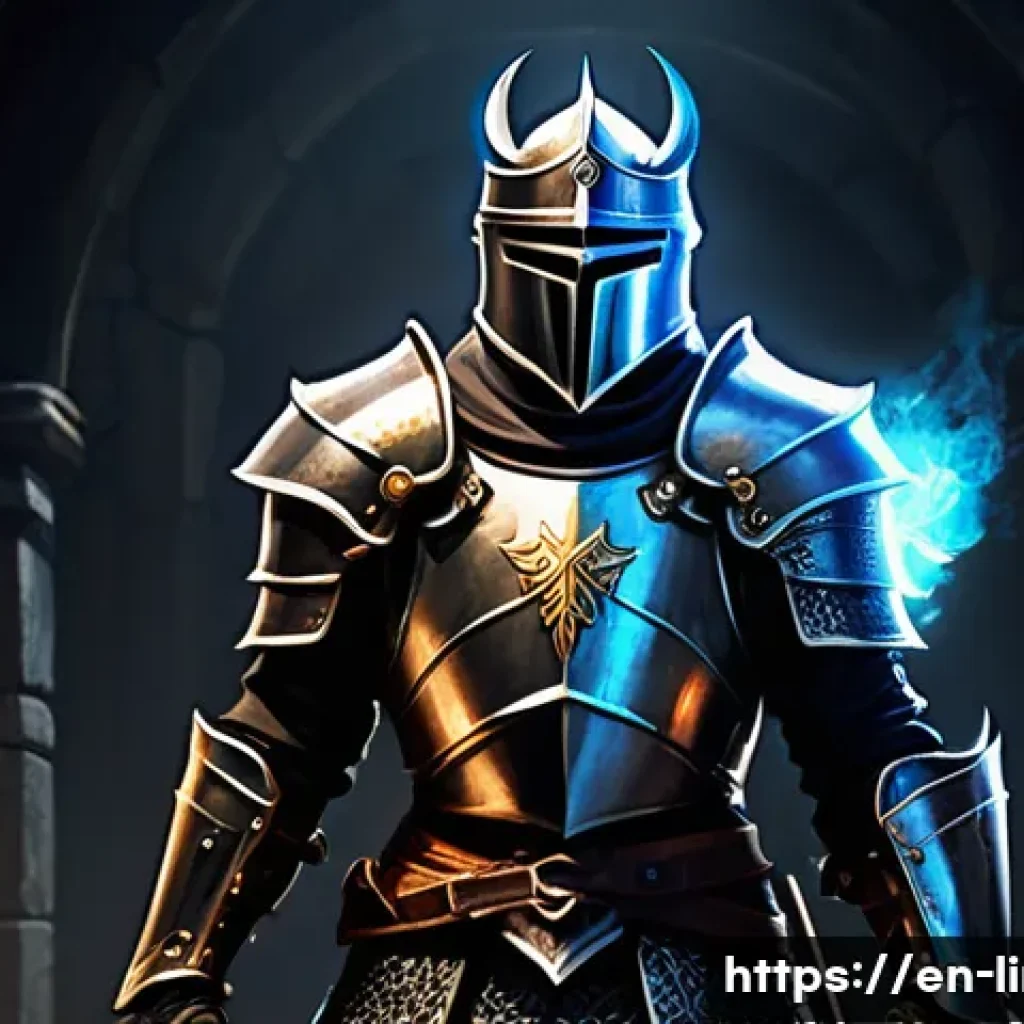
Hey there, fellow Aden adventurers! I know that exhilarating rush you get when you finally acquire that rare piece of equipment in Lineage M, only to immediately wonder if it’s truly the best fit for your build.
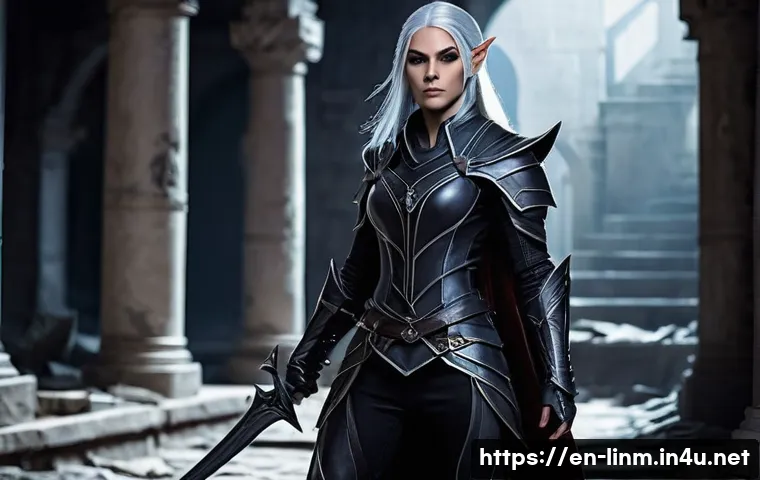
It’s a journey we’ve all been on – constantly tweaking, experimenting, and sometimes even losing sleep over optimizing our character’s power. With new updates consistently dropping game-changing items and rebalancing existing ones, staying on top of the meta isn’t just a suggestion, it’s a necessity if you want to dominate the battlefield or conquer those tricky new dungeons.
Trust me, after countless hours exploring every nook and cranny of this incredible world and witnessing the ever-evolving strategies, I’ve got some insights that could truly transform your gameplay and make every Adena count.
So, ready to stop guessing and start truly elevating your game? Let’s uncover the secrets to the ultimate Lineage M gear combinations below.
Mastering Your Class’s Core Identity
When diving deep into Lineage M, the absolute first thing you’ve got to nail down is your class’s fundamental strengths and weaknesses. It sounds obvious, right?
But believe me, I’ve seen countless players blindly follow generic “best in slot” lists only to find their characters underperforming. Each class – from the hard-hitting Knight to the elusive Elf, the mystical Mage, and the versatile Dark Elf – has a unique playstyle that demands specific gear considerations.
For instance, a Knight thrives on raw damage mitigation and stun resistance, meaning you’ll want to prioritize armor that boosts HP and physical defense while looking for accessories with stun resist.
A Mage, on the other hand, lives and dies by their spell damage and mana regeneration. If you’re chasing that sweet, sweet burst damage, you’re not going to be prioritizing the same defensive stats as a front-line warrior.
My personal journey with my Dark Elf taught me this the hard way. I initially tried to make her a tankier build, but it just felt… off. Once I leaned into her natural evasion and critical damage potential, that’s when my true power awakened.
It’s about understanding the synergy between your skills and your stats, and then letting your gear amplify that. Don’t fight against your class; flow with it!
Understanding Stat Priorities for Each Archetype
It’s easy to get lost in the sheer number of stats available on gear, but focusing on what truly matters for your class is key. For example, a pure Strength-based Knight absolutely needs every point of STR they can get to maximize their damage output, but also a healthy dose of CON for survivability.
Meanwhile, an Intelligence-focused Mage will prioritize INT for spellpower and WIS for MP recovery, alongside some CON to keep them from being one-shot.
An Elf, depending on whether you’re ranged or melee, will lean heavily into DEX for accuracy and evasion, or STR for physical damage, always balancing it with CON for HP.
It’s not just about getting “good” stats; it’s about getting the *right* stats for what your class is designed to do. I’ve spent more hours than I care to admit tinkering with stat distributions and seeing the real-world difference even a few points can make in tough boss fights or intense PvP skirmishes.
This granular understanding is what separates the casual player from someone who truly dominates the battlefield.
Defining Your Role in a Party and Solo Play
Your gear choices also hinge heavily on whether you primarily solo grind, participate in large-scale wars, or tackle challenging dungeons with a fixed party.
If you’re a solo player, a balanced approach with decent offense and defense is often preferable, allowing you to sustain yourself through longer farming sessions.
However, if you’re the main tank for your guild in a critical raid, then stacking every possible defensive stat – HP, physical defense, magical resistance, and damage reduction – becomes paramount, even if it means sacrificing a bit of personal damage.
For a damage dealer in a party, maximizing your output is your priority, trusting your healers and tanks to keep you alive. This shift in focus is crucial.
I once tried to use my PvP gear for a particularly tough PVE raid, and it was a disaster. The lack of specific PVE defensive stats meant I was constantly taking unnecessary damage.
Learning to have specialized sets for different situations is a true game-changer, and a sign you’re taking your Lineage M journey seriously.
The Symphony of Accessories: Beyond the Basic Stats
Accessories in Lineage M are often underestimated, but let me tell you, they are the secret sauce that brings your build together. Rings, earrings, necklaces, and belts aren’t just minor stat boosts; they can profoundly alter your character’s capabilities, pushing them into new tiers of power.
We’re talking about crucial elements like damage reduction, stun resistance, spell critical rate, or even unique skill enhancements. Ignoring these pieces is like trying to bake a cake without any sugar – it just won’t be as sweet!
The true magic happens when your accessories synergize not only with your class but also with each other and your main armor set. For example, pairing rings that boost critical damage with a weapon that has high critical potential can create an absolutely devastating damage dealer.
Or, for a tank, combining earrings that offer damage reduction with a belt that increases max HP can make you an unkillable force on the front lines. I’ve personally experimented with countless combinations, and the feeling of finally hitting that perfect accessory setup is incredibly rewarding.
It’s often where you find the most significant jumps in performance that aren’t immediately obvious from looking at your weapon or armor.
Finding the Perfect Ring and Earring Combinations
Rings and earrings are where a lot of your character’s specialized resistances and offensive boosts will come from. For physical damage dealers, look for rings that boost critical damage, hit rate, or even specific elemental damage if you’re targeting particular monsters.
Tanks will hunt for rings that provide stun resistance, fear resistance, or additional damage reduction. Earrings are fantastic for survivability, often offering magical resistance, damage reduction, or HP recovery bonuses.
It’s not just about finding “a” good ring; it’s about finding the *best* ring for your current needs and how it interacts with your other gear. I remember finally acquiring a pair of high-tier stun resist rings for my Knight, and it completely changed my PvP experience.
No longer was I constantly CC’d; I could actually stand my ground and retaliate. The key is to analyze what challenges you face most often and gear specifically to counter them.
This targeted approach is far more effective than just trying to grab whatever has the highest numerical value.
Necklaces and Belts: The Unsung Heroes of Utility
While rings and earrings often steal the spotlight, necklaces and belts play an equally vital, albeit often more subtle, role in optimizing your character.
Necklaces can provide crucial stats like damage reduction, magical damage, or even unique boosts to specific skills. Belts are excellent for increasing your weight limit – a godsend for farming – or providing valuable HP, physical defense, or damage reduction.
For a character that relies heavily on carrying consumables or farming for extended periods, a good belt with weight limit increase can significantly improve your efficiency.
For a tank, a belt that adds raw HP or damage reduction is non-negotiable. I’ve personally seen players overlook these pieces, thinking they offer less impact, only to find themselves struggling with inventory management or lacking that crucial bit of extra survivability in a tight spot.
Don’t make that mistake! These pieces might not always be flashy, but their utility and defensive capabilities are absolutely essential for a well-rounded build.
Weapons: The Cornerstone of Your Combat Prowess
Let’s be honest, nothing feels quite as satisfying as equipping a new, powerful weapon in Lineage M. It’s often the single biggest leap in your character’s raw power, dictating your damage output, attack speed, and even some unique effects.
But picking the “best” weapon isn’t always as simple as picking the one with the highest damage number. You need to consider its enchantment level, its inherent attributes, its specific bonuses against certain monster types, and critically, how it synergizes with your class’s skills and your overall build.
A Knight might prefer a two-handed weapon for raw burst, while a Dark Elf might favor dual blades for rapid attacks and critical hits. A Mage’s staff isn’t just about spell damage; it can also affect casting speed or mana regeneration.
I’ve fallen into the trap of chasing the highest base damage only to realize a slightly lower damage weapon with better attack speed or a crucial passive bonus actually outperformed it in real combat scenarios.
It’s about finding the *right* weapon for your specific combat style and the content you’re tackling.
The Great Debate: Single-Handed vs. Two-Handed vs. Dual Wield
This is a classic dilemma for many melee classes, and honestly, there’s no single right answer – it entirely depends on your playstyle and the situation.
Two-handed weapons typically offer higher base damage and can hit harder, making them excellent for burst damage and clearing out mobs quickly. However, they restrict you from using a shield, meaning a significant loss in defense.
Single-handed weapons, paired with a shield, provide a fantastic balance of offense and defense, making them ideal for tankier builds or those who need more survivability in PvP or challenging dungeons.
Dual wield, primarily for Dark Elves, offers incredibly fast attack speeds and often comes with critical hit bonuses, making them fantastic for sustained damage and proc-based effects.
I personally swap between a two-hander and a one-hander/shield combo on my Knight depending on whether I’m farming easy mobs or going into a dangerous boss fight.
Understanding these trade-offs is crucial for adapting your character to different combat scenarios.
Beyond Raw Damage: Enchantments and Special Effects
While a weapon’s base damage is important, its enchantment level and any special effects it carries are often even more impactful. A highly enchanted, slightly lower-tier weapon can often outperform a higher-tier, un-enchanted one.
The sheer boost from a +9 or +10 enchantment is monumental. Furthermore, many weapons come with unique effects like damage reduction penetration, specific monster damage bonuses, or even life steal.
These can drastically alter your effectiveness against certain enemies or in particular situations. For example, a weapon with “extra damage to Undead” can be a game-changer when farming in areas rich with such creatures.
Don’t just look at the big numbers; delve into the item’s full description. I’ve discovered hidden gems this way, weapons that didn’t look impressive on the surface but provided crucial utility or a significant damage boost against specific targets I was farming.
The devil, or in this case, the triumph, is often in the details!
Armor Sets: Defense, Offense, and Set Bonuses
Armor in Lineage M isn’t just about looking cool or providing basic defense; it’s a strategic choice that can profoundly impact your character’s survivability and even offensive capabilities.
The real power of armor often lies in complete sets, which provide invaluable set bonuses that can range from increased HP and damage reduction to faster mana regeneration or specific resistances.
Mixing and matching individual pieces can sometimes be effective, especially if you have a few legendary standalone items, but often, the synergy of a full set far outweighs the sum of its parts.
Consider the Dragonic set for its balanced defensive and offensive stats, or specific class-bound sets designed to enhance your core abilities. I’ve personally felt the immediate difference when completing a high-tier armor set; the sudden boost to my stats and the activation of those powerful set bonuses can make previously challenging content feel much more manageable.
It’s like your character suddenly takes a deep breath and says, “Alright, I’m ready for anything now!”
Choosing Between Defensive and Offensive Armor Pieces
This decision often comes down to your class, your role, and the content you’re undertaking. For tanks and front-line warriors, prioritizing pieces with high physical and magical defense, HP bonuses, and damage reduction is paramount.
Their job is to soak up damage and survive. For damage dealers, while some defense is always good, you might lean towards armor that offers critical hit rate, accuracy, or even specific skill enhancements, allowing you to maximize your offensive output.
There’s a delicate balance here; too much offense and you’re a glass cannon, too much defense and you might not clear content fast enough. My personal approach is to always ensure I have enough survivability to comfortably handle the content, and then allocate any remaining gear slots to boost my damage.
It’s a trial-and-error process sometimes, finding that sweet spot where you feel both powerful and secure.
The Power of Set Bonuses: More Than Just Individual Pieces
Set bonuses are, without a doubt, one of the most compelling reasons to pursue full armor sets. These bonuses often provide significant boosts that individual pieces simply cannot replicate.
For instance, a 5-piece set might grant you a substantial increase in damage reduction, a boost to all stats, or even a unique passive ability. These aren’t just minor tweaks; they are often game-changing effects that can redefine your character’s power level.
When you’re looking at armor, don’t just compare the individual stats of one piece against another. Always consider the potential set bonus you’d gain or lose.
I’ve seen players cling to a single powerful standalone chest piece, unaware that completing a full set, even if individual pieces seem slightly weaker, would give them a far greater overall advantage due to a phenomenal set bonus.
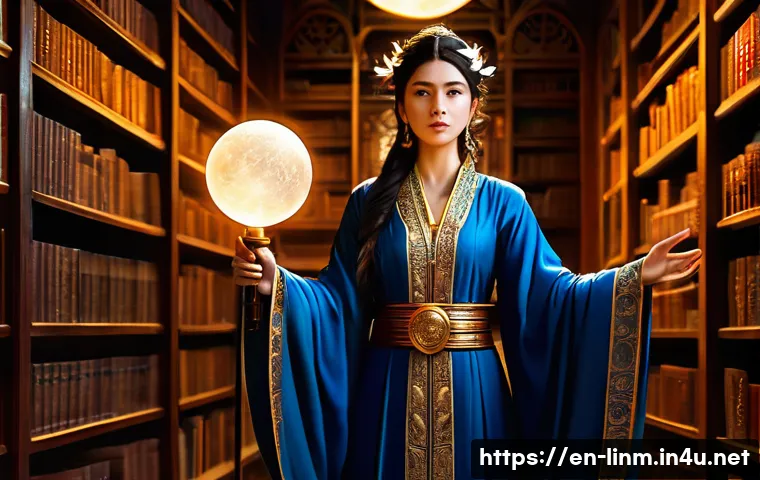
Always check those bonus descriptions – they are often where the true power of your armor lies.
Enchanting and Refinement: Unleashing True Potential
Alright, let’s talk about the heart-pounding, Adena-draining, and ultimately exhilarating process of enchanting and refining your gear. This isn’t just an optional step; it’s absolutely crucial for pushing your equipment to its true potential.
A piece of gear, no matter how rare, is only as good as its enchantment level. The stat boosts you get from successful enchantments are massive, significantly increasing your attack, defense, and other core attributes.
But let’s be real, it’s also a high-stakes gamble. We’ve all felt that stomach-dropping moment when an enchantment fails and your precious item shatters into dust.
However, the rewards for success are equally monumental. Beyond basic enchantments, refinement offers additional layers of optimization, allowing you to fine-tune specific stats on your gear.
This is where you truly start to personalize your equipment, squeezing out every last drop of power for your specific build. Trust me, investing in safe enchant scrolls and understanding the odds is paramount here.
I’ve learned through painful experience that sometimes, patience and a steady hand are more valuable than reckless enchanting.
The Thrill and Peril of Enchantment Scrolls
Every Lineage M player knows the rush of using an enchantment scroll. Will it succeed? Will it fail spectacularly?
The difference between a +0 weapon and a +9 weapon is like night and day, not just in terms of raw stats but in how your character feels to play. The higher you go, the greater the risk, but also the greater the reward.
It’s a balancing act. For crucial items, it’s often wise to use blessed scrolls or safe enchant scrolls up to a certain point to minimize the risk of destruction.
For common items, a bit of daring can sometimes pay off. I’ve had incredible luck streaks where every scroll landed, and devastating bad luck streaks where I lost multiple high-value items.
It’s part of the Lineage M experience, a rollercoaster of emotions. But don’t let the fear of failure stop you; calculated enchanting is essential for pushing your power level.
Just remember, sometimes it’s better to walk away for a bit than to chase that next +1 with a burning Adena hole in your pocket.
Refinement: Tailoring Stats to Your Exact Needs
Once you’ve got your enchantments sorted, refinement is the next layer of optimization that lets you truly tailor your gear. This process allows you to reroll or enhance specific sub-stats on your items, potentially turning a good piece of gear into a perfect one for your build.
For instance, you might refine a ring to get more stun resistance, or a weapon to gain a higher critical hit rate. This is particularly valuable for endgame content where every single stat point matters.
It’s also where you can sometimes compensate for slight deficiencies in other gear pieces. I’ve spent countless hours in the refinement menu, meticulously trying to get that perfect combination of stats on my accessories, and it truly makes a difference in high-level PvP where battles can be decided by the slimmest margins.
Don’t overlook refinement; it’s a powerful tool for squeezing every last bit of power from your hard-earned gear.
Talismans and Artifacts: The Hidden Boosters
Beyond the conventional weapons, armor, and accessories, Lineage M offers a deeper layer of character customization and power enhancement through Talismans and Artifacts.
These items often provide unique, passive bonuses that might not be immediately obvious but contribute significantly to your overall strength. Talismans, in particular, can be incredibly versatile, offering boosts to everything from specific resistances to damage reduction, HP, or even experience gain.
They’re often tied to specific quests or events, making them prized possessions. Artifacts, on the other hand, can be even more impactful, sometimes offering truly game-changing abilities or massive stat increases.
These aren’t just minor buffs; they can be the difference-makers in difficult content or tight PvP duels. I’ve personally seen players underestimate the cumulative power of a well-chosen set of Talismans, only to be outmatched by someone who meticulously optimized every slot.
This is where a deep understanding of game mechanics and long-term planning truly pays off.
Unlocking the Power of Talisman Combinations
Talismans come in various types, each offering different sets of bonuses, and the real trick is figuring out which combinations best complement your class and build.
Some talismans might provide flat damage reduction, while others boost elemental resistances or specific stat lines. For a tank, stacking talismans that enhance survivability is a no-brainer.
For a damage dealer, you might look for ones that increase your critical hit rate or overall damage output. The key is to look at the overall picture and how each talisman slot contributes to your character’s strengths.
It’s not uncommon to have a few go-to talisman sets that you swap between for different activities, whether it’s farming, raiding, or PvP. I’ve spent a fair bit of time analyzing talisman tables and figuring out the optimal placements for my Dark Elf, and the resulting boost in specific resistances for certain boss fights has been invaluable.
Artifacts: The Apex of Character Augmentation
Artifacts are typically harder to acquire and often require significant investment, but their power level reflects that. These aren’t your everyday gear pieces; they often provide truly exceptional bonuses that can elevate your character to an entirely new tier.
We’re talking about massive stat boosts, unique passive skills, or even direct improvements to your core abilities. Think of them as the ultimate finishing touches on your build, the crown jewels that complete your masterpiece.
Acquiring and enhancing artifacts is often a long-term goal for many players, but the payoff is immense. The tactical advantage gained from a powerful artifact can be the deciding factor in high-stakes encounters.
I’m personally still working towards some of the top-tier artifacts for my main character, knowing that each step closer is a step towards unparalleled power and dominance in Aden.
| Gear Slot | Primary Stat Focus (Example: Knight) | Secondary Stat Focus (Example: Knight) | Typical Bonuses to Look For |
|---|---|---|---|
| Weapon | Raw Physical Damage (STR) | Accuracy (DEX) | Damage to specific monster types, Crit Rate, Attack Speed |
| Armor (Set) | Physical Defense (AC), HP (CON) | Magic Resistance (MR), Damage Reduction | Set Bonuses: All Stats, Damage Reduction, Stun Resistance |
| Rings | Stun Resistance, Damage Reduction | Critical Hit Damage, Physical Damage | Fear Resistance, Elemental Resistances |
| Earrings | Magic Resistance (MR), Damage Reduction | HP Recovery, Max HP | Status Effect Resistance, MP Recovery |
| Necklace | Damage Reduction, Max HP | Magic Damage, Hit Rate | Specific Skill Buffs, Weight Limit |
| Belt | Max HP, Physical Defense (AC) | Damage Reduction, Weight Limit | Stun Resistance, Experience Gain |
| Talisman | Varied based on type | Varied based on type | Specific Resistances, XP Boost, All Stats, Damage Reduction |
Crafting vs. Drops: Where to Invest Your Adena and Time
This is the eternal question in Lineage M: should you rely on the unpredictable RNG of monster drops, or put your hard-earned Adena and materials into crafting that perfect piece of gear?
Honestly, the answer isn’t always clear-cut, and it often involves a blend of both strategies. Relying solely on drops can be incredibly frustrating, leading to countless hours of grinding without seeing that one elusive item.
On the other hand, crafting can be extremely expensive, requiring rare materials that might take just as much time (or more) to acquire. My personal approach has always been a strategic mix.
I’ll farm for easily obtainable drops and materials, but for those truly game-changing, high-tier items, I tend to lean towards crafting if the materials are farmable or purchasable without breaking the bank.
It’s about minimizing the frustration and maximizing your progress, and sometimes, the guaranteed acquisition through crafting is worth the higher cost.
Strategic Farming: Knowing When to Grind for Drops
Farming for drops is often the bread and butter of early and mid-game progression. Many essential items, especially accessories and lower-tier armor pieces, can be acquired through dedicated grinding in specific zones.
The key here is efficiency: identifying which monsters drop the items you need, understanding their spawn rates, and finding optimal farming spots. It’s not just about killing monsters; it’s about smart monster hunting.
I’ve spent countless hours in specific zones, not just for the drops but also for the Adena and experience, and the feeling of that rare item finally dropping after what feels like an eternity is incredibly satisfying.
It’s also a great way to acquire materials for crafting, so even if the direct drop doesn’t happen, your efforts aren’t entirely wasted. Learning the drop tables and understanding the value of different items is a core part of becoming a seasoned Lineage M player.
The Crafting Path: Guaranteed Progress at a Cost
Crafting offers a more predictable path to acquiring powerful gear, but it often comes with a hefty price tag in terms of materials and Adena. This method is particularly attractive for very rare or legendary items that have incredibly low drop rates.
The beauty of crafting is that it’s a guaranteed acquisition once you have all the necessary components. This eliminates the frustrating RNG element of drops, allowing for more strategic planning.
However, those components themselves can be incredibly rare or expensive to acquire. You might need to participate in specific raids, world bosses, or spend a significant amount of Adena in the trade market.
I’ve often found myself saving up for weeks, sometimes months, for the materials needed to craft that one legendary weapon or armor piece that I knew would elevate my character to the next level.
It’s a long-term investment, but the stability and certainty it offers are often well worth it for critical gear pieces.
Concluding Thoughts
And there you have it, fellow adventurers! Our journey through the intricate world of Lineage M gear optimization comes to a close. Remember, the true essence of power in Aden isn’t just about having the flashiest item; it’s about understanding the synergy between your class, your playstyle, and every single piece of equipment you wield. This game is a marathon, not a sprint, and continuous learning, adapting, and refining your build is what truly sets apart the legends from the rest. Keep experimenting, keep pushing your limits, and most importantly, keep enjoying the thrilling ride! The world of Lineage M is vast and ever-evolving, and so should your approach to dominating it.
Helpful Tips to Keep in Mind
1. Don’t Overlook Early Game Investments: While it’s tempting to save all your resources for legendary endgame gear, investing wisely in early to mid-game items can significantly accelerate your progression. A well-enchanted rare weapon or a complete set of uncommon armor in the early stages can make farming more efficient, help you clear challenging quests faster, and ultimately generate more Adena and materials for your long-term goals. I learned this the hard way by struggling through content that could have been much easier with a modest investment. It’s about building a strong foundation, so don’t be afraid to put some effort into gear that might seem temporary. Remember, every little boost helps you climb that power ladder faster.
2. Community and Research are Your Best Friends: You don’t have to navigate the complex world of Lineage M alone. The community is a treasure trove of knowledge! Spend time on forums, join Discord channels, and watch guides from experienced players. They often share invaluable insights on optimal farming spots, hidden quests for rare items, or specific build strategies that are working well in the current meta. I can’t tell you how many times a quick chat with a guildmate or a browse through a well-written guide has saved me countless hours of trial and error. Leverage the collective wisdom; it’s a powerful tool in your arsenal for staying ahead of the curve and making informed decisions about your gear.
3. Adapt Your Build for Specific Content: One of the biggest mistakes I see players make is trying to use a one-size-fits-all gear setup. Lineage M content varies wildly, from large-scale PvP sieges to intense boss raids and AFK farming. What works perfectly for dominating in the arena might leave you vulnerable in a high-level dungeon. Be flexible! Consider having specialized sets for different activities. Maybe a high stun-resistance set for PvP, a damage reduction set for tanking bosses, and an experience-boosting set for grinding. It takes time and resources to build these multiple sets, but the tactical advantage you gain is immeasurable. Trust me, being able to swap gear to perfectly counter a specific threat feels incredibly empowering.
4. The Power of Consumables and Buffs: Gear is essential, but never underestimate the impact of consumables and temporary buffs. Potions, scrolls, and various temporary enhancements can provide critical boosts to your stats, damage, defense, and even experience gain. Before tackling a tough boss or heading into a contested PvP zone, make sure you’re fully buffed and stocked up. These seemingly minor boosts can often be the difference between success and failure, especially in close encounters. I’ve seen countless battles turn because one player had the foresight to use a powerful buff scroll while their opponent relied solely on their base gear. It’s a fundamental aspect of maximizing your performance and often overlooked.
5. Patience and Persistence are Key to Long-Term Success: Building a truly formidable character in Lineage M is a marathon, not a sprint. You won’t acquire all the best gear overnight, and there will be frustrating moments, especially with enchantment failures or elusive drops. The key is to stay persistent, set realistic goals, and celebrate small victories. Focus on incremental improvements, consistent farming, and smart resource management. Every successful enchantment, every rare drop, and every piece of Adena saved brings you closer to your ultimate build. I’ve been playing for years, and the journey is just as rewarding as reaching those peak power levels. Enjoy the process, and your dedication will undoubtedly pay off in the long run!
Key Takeaways
Ultimately, mastering your gear in Lineage M boils down to a few core principles: truly understanding your chosen class’s identity and its stat priorities, leveraging accessories and set bonuses for synergy, and making informed decisions about your weapons, armor, enchantments, and refinement. Don’t forget the hidden power of talismans and artifacts, which can provide game-changing boosts. Whether you choose to craft, farm, or a mix of both, a strategic and adaptive approach is crucial. The journey is continuous, so keep learning, experimenting, and optimizing to truly dominate the battlefields of Aden.
Frequently Asked Questions (FAQ) 📖
Q: I just got a legendary piece of gear! How do I really know if it’s truly an upgrade for my specific character build, or just looks shiny?
A: Oh, believe me, that feeling of snagging a legendary is absolutely exhilarating! But here’s the kicker: rarity isn’t always king in Lineage M. I’ve been there countless times, thinking I hit the jackpot, only to realize after some intense testing that my old, seemingly less impressive item actually offered better synergy with my skills and stats.
The real secret? You’ve got to dive deep into the numbers. Don’t just look at the raw attack or defense.
Consider the bonus stats – things like accuracy, damage reduction, critical hit rate, or even specific resistances. Do they complement your class and your primary playstyle?
For instance, if you’re a tank, a legendary weapon with sky-high attack might look great, but if it lacks crucial damage reduction or HP regeneration, it might actually make you squishier in a tough boss fight than a slightly lower-tier item that boosts your survivability.
My go-to method is to equip it, then check my detailed character stats page, and most importantly, take it for a spin in a familiar dungeon or a few PvP duels.
Nothing beats real-world testing to see if that “upgrade” truly makes a difference. Sometimes, the seemingly subtle stats are what really transform your performance!
Q: With all the new updates and rebalances, how can I possibly keep up with the ever-changing “best in slot” gear and stay ahead of the meta?
A: That’s the million-Adena question, isn’t it? It feels like every other week there’s a new patch dropping a game-changing item or tweaking existing ones, and suddenly, what was “meta” yesterday is just… well, not.
Staying on top of it all can feel like a full-time job, but trust me, it’s totally doable and incredibly rewarding. My personal strategy involves a few key things.
First, always keep an eye on the official Lineage M forums and developer notes – they often hint at upcoming changes or highlight specific gear. Second, and this is a big one, I spend a good chunk of time on reputable community sites and discord servers.
These places are goldmines! You’ll find experienced players, often referred to as “whales” or “theorycrafters,” who dedicate hours to crunching numbers and testing new setups.
They often share their findings, and while you don’t have to follow every single recommendation blindly, it gives you a fantastic baseline. I also watch a few key Lineage M streamers who are known for their in-depth build analyses.
But honestly, the biggest “hack” is to understand why certain gear combinations are powerful. If you grasp the underlying mechanics, you can often predict meta shifts yourself, or at least quickly adapt when they happen, rather than just chasing someone else’s build.
Q: Is it really necessary to have completely different gear sets for things like PvP versus grinding in dungeons, or can I get by with one “ultimate” combination?
A: Oh, I wish there was one magical, ultimate gear set that dominated every aspect of Lineage M, saving us all from inventory management nightmares! Unfortunately, from my own experience, that’s rarely the case if you’re serious about optimizing your gameplay.
While you can certainly create a strong “generalist” set that performs adequately across the board, truly excelling in specific areas almost always requires some specialization.
Think about it: in PvP, your survival often hinges on damage reduction, specific resistances to stun or fear, and burst damage to quickly eliminate opponents.
Every point in those stats can literally mean the difference between winning and losing a critical duel. But when you’re grinding for hours in a dungeon, your priorities shift.
You might prioritize higher raw damage output for faster clears, HP regeneration to minimize potion usage, or specific elemental resistances for a particular boss.
I’ve often found myself swapping out a few key accessories or even an armor piece before heading into a castle siege compared to when I’m farming adena.
My advice? Start with a solid core set that you can use for most content, but then identify 2-3 key interchangeable pieces – perhaps a different ring, belt, or even a weapon – that you can swap in to optimize for your current activity.
It makes a world of difference, I promise you!