
Hey there, fellow gamers! If you’ve been diving into Lineage M lately, you’ve probably noticed how mastering combat styles can make or break your gameplay.
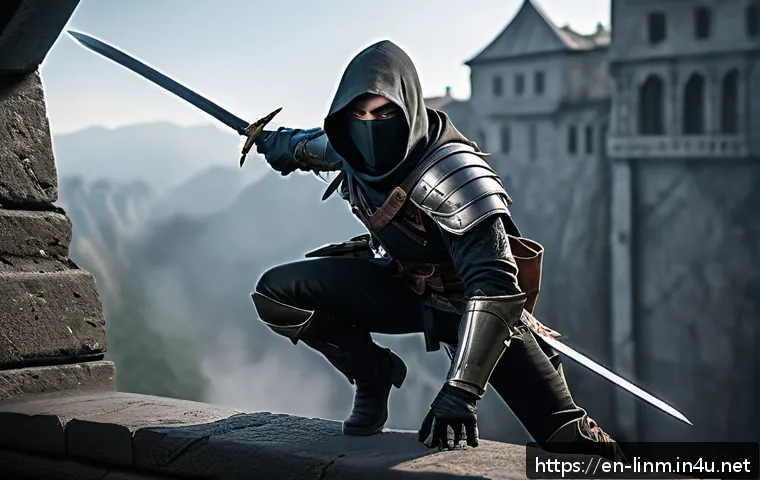
With the latest updates shaking up the battlefield dynamics, understanding each playstyle’s strengths is more crucial than ever. Whether you’re a stealthy assassin or a powerhouse warrior, unlocking winning strategies tailored to your combat style can seriously boost your success.
Stick around as we break down the essentials that will help you dominate every fight with confidence and finesse!
Understanding Your Role on the Battlefield
Identifying Core Strengths of Each Combat Style
Every player in Lineage M brings unique strengths to the battlefield depending on their chosen combat style. For example, warriors excel at soaking up damage and engaging head-on, while rogues rely heavily on agility and critical strikes to outmaneuver foes.
Mages, on the other hand, leverage powerful spells and crowd control to dictate the flow of battle. Knowing your style’s core abilities helps you anticipate your role in group fights and solo encounters alike.
I’ve noticed that when I fully embrace my rogue’s stealth and burst potential, I can dismantle enemy lines before they even realize what hit them. This clarity in role definition is key to maximizing your impact.
Adapting Your Playstyle Based on Opponent Types
Not all fights are created equal, and neither should your approach be. When facing tank-heavy teams, mages might want to focus on spells that reduce enemy defenses, while warriors should prepare to break through lines with sustained damage.
Against fast-moving assassins, positioning and quick reflexes become paramount. I’ve found it useful to study common enemy builds in my server and tweak my skill rotation accordingly.
This dynamic adaptation keeps you one step ahead and prevents you from falling into predictable patterns that opponents can exploit.
Balancing Aggression and Defense in Real Time
One mistake I often see players make is either going full aggressive without backup or staying too cautious and missing kill opportunities. The sweet spot lies in reading the battlefield’s pulse—knowing when to commit to a fight or when to back off and regroup.
For warriors, this might mean toggling between tanking and damage output modes, while mages must constantly judge when to cast spells safely or retreat to heal.
The ability to switch gears fluidly comes with practice but is a game-changer in high-stakes PvP.
Mastering Movement and Positioning
Using Terrain and Map Features to Your Advantage
Lineage M maps are full of natural chokepoints, high ground, and hiding spots that can turn the tide of battle. Learning how to use these features strategically can amplify your combat effectiveness.
For instance, I like to lure enemies into narrow corridors when playing my mage to maximize the impact of area spells. Rogues can capitalize on elevated areas to scout and ambush unsuspecting targets.
Movement is not just about dodging attacks but also about controlling the fight’s geography, forcing enemies into disadvantageous positions.
Timing Your Engagements Perfectly
The timing of your approach or retreat can often be the difference between victory and defeat. For example, launching a rogue’s stun or burst combo right after a mage’s crowd control spell maximizes team synergy.
I often wait for an enemy to waste their defensive cooldown before going all-in, ensuring my skills hit harder and last longer. This patience and coordination require good communication and situational awareness but pay off immensely in clutch moments.
Maintaining Optimal Distance Based on Combat Style
Different classes thrive at different ranges, and understanding this can drastically improve your survivability and damage output. Warriors want to be right in the thick of things, soaking and dealing damage, whereas mages need to maintain a safe distance to avoid being caught off guard.
Rogues fall somewhere in between, darting in and out of combat. I’ve learned that constantly adjusting my distance, rather than sticking rigidly to a spot, keeps me alive longer and allows me to capitalize on enemy mistakes.
Optimizing Skill Rotation for Maximum Impact
Prioritizing High-Damage Abilities
Knowing which skills to use first can set the tempo for the entire fight. When I play my warrior, I make sure to open with abilities that debuff the enemy or increase my damage output, setting the stage for follow-up attacks.
Mages often start with crowd control spells to disable opponents, giving their teammates a window to strike. Understanding your skill priority ensures that you’re always putting out the most damage or control possible in the shortest time frame.
Incorporating Defensive Skills Smoothly
It’s easy to get caught up in offense, but weaving in defensive cooldowns at the right time can save your life. I remember a battle where activating my rogue’s evasion skill just as an enemy unleashed a burst spell completely turned the fight around.
Timing these defensive skills so they overlap with enemy attacks requires practice but becomes second nature with experience. This balance keeps you in the fight longer and frustrates opponents who expect easy kills.
Adapting Rotation Based on Combat Flow
No fight follows the same script, and your skill rotation shouldn’t either. If the enemy team is focusing on you, it might be better to switch to defensive skills or crowd control to buy time.
Conversely, if you see an opening, going all-out with your highest damage skills can secure a quick kill. I always keep an eye on how the battle is unfolding and adjust my rotation on the fly, which often surprises opponents and keeps them off balance.
Leveraging Team Synergy for Group Success
Complementing Teammates’ Strengths and Weaknesses
When you’re part of a team, your combat style should mesh well with others to create a balanced force. For instance, warriors can take the frontline and soak damage while mages and rogues handle crowd control and burst damage from behind.
I’ve found that openly communicating your intended role and timing with your team leads to smoother coordination and better outcomes. A well-synced team is far more effective than just a group of individuals playing solo.
Coordinating Crowd Control and Burst Damage
One of the most satisfying experiences in Lineage M is watching your team chain crowd control and burst damage perfectly. For example, a mage’s freeze spell followed immediately by a rogue’s heavy attack can shred an enemy before they can react.

I always try to signal when I’m about to use a control skill so teammates can prepare their bursts, turning fights quickly in our favor. This level of teamwork takes effort but elevates your gameplay to a whole new level.
Supporting Roles: Healing and Buffing Strategies
While offensive skills grab the spotlight, healing and buffs are just as critical for sustained fights. Supporting teammates with timely heals or buffs can mean the difference between wiping out an enemy team or getting wiped yourself.
I tend to keep an eye on my party’s health bars and buff status, especially in prolonged engagements, to decide when to switch focus from offense to support.
This adaptability often gets overlooked but is crucial in high-level PvP.
Gear and Stat Priorities for Each Combat Style
Choosing the Right Weapons and Armor
Gear can drastically influence your combat effectiveness, and each style benefits from specific equipment. Warriors thrive with heavy armor and weapons that boost defense and attack power.
Rogues benefit from lightweight gear that enhances agility and critical hit chances, while mages need gear that increases magic attack and mana regeneration.
I always recommend prioritizing gear upgrades that complement your style’s primary stats rather than chasing every shiny item that drops.
Optimizing Stat Allocation
How you distribute your stats during level-ups can make or break your build. For example, investing heavily in strength and vitality suits warriors aiming to be damage sponges, while rogues should focus on dexterity and critical rate.
Mages benefit from boosting intelligence and mana pool. I’ve experimented with different allocations and found that sticking to a clear stat plan aligned with your combat style avoids wasted points and maximizes performance.
Enhancing Gear with Enchantments and Upgrades
Upgrading your gear through enchantments or enhancements provides significant power spikes. I always prioritize enhancing my main weapon first since it impacts my damage output directly.
Defensive enchantments come next, especially for classes that engage in close combat. It’s tempting to spread upgrades thinly across all gear, but focusing on key pieces yields better returns.
Tracking your upgrade materials and timing enhancements before major battles can give you a crucial edge.
Analyzing Combat Style Matchups and Counters
Recognizing Strengths and Vulnerabilities
Each combat style has natural advantages and weaknesses against others. For instance, rogues typically counter mages with their burst damage and mobility, but they struggle against heavily armored warriors who can absorb their hits.
Mages excel against grouped enemies but are vulnerable to quick assassins. I’ve learned that understanding these matchups helps me pick the right battles or adjust tactics when facing unfavorable opponents.
Adjusting Strategy to Exploit Opponent Weaknesses
Once you identify an opponent’s weaknesses, tailoring your approach can lead to easy wins. For example, if you notice a warrior using mostly defensive skills, switching to sustained ranged attacks or crowd control can wear them down.
When facing a mage, closing the distance quickly to interrupt spellcasting is often effective. Experimenting with different tactics against various playstyles has improved my win rate significantly.
Using Psychological Warfare to Gain the Upper Hand
Combat isn’t just about stats and skills; it’s also about mind games. Feigning retreats to bait enemies into traps or faking a cooldown can create openings.
I often use unpredictable movement and skill usage to confuse opponents, forcing them into mistakes. This psychological edge, combined with solid mechanics, makes your playstyle not just strong but intimidating.
| Combat Style | Primary Strengths | Ideal Positioning | Key Gear Stats | Common Counters |
|---|---|---|---|---|
| Warrior | High durability, strong melee damage | Frontline, absorbing damage | Strength, Vitality, Defense | Mages with crowd control, coordinated burst damage |
| Rogue | High burst damage, stealth, agility | Flanking, hit-and-run tactics | Dexterity, Critical Rate, Evasion | Warriors with high defense, vigilant positioning |
| Mage | Powerful spells, crowd control | Backline, maintaining distance | Intelligence, Mana, Magic Attack | Rogues’ burst damage, interrupt-focused tactics |
Conclusion
Mastering your combat style in Lineage M is all about understanding your strengths, adapting to opponents, and coordinating with your team. By refining your movement, skill rotation, and gear choices, you can significantly elevate your gameplay. Remember, flexibility and awareness are key to turning the tide in any battle. Embrace your role confidently, and you’ll see the difference it makes in every fight.
Helpful Tips
1. Study your combat style’s core abilities to maximize your impact in both solo and group battles.
2. Adapt your tactics based on the opponents you face to stay unpredictable and effective.
3. Use terrain and positioning strategically to control engagements and protect yourself.
4. Balance offensive and defensive skills wisely to sustain longer fights and capitalize on openings.
5. Communicate and coordinate with your team to chain crowd control and burst damage seamlessly.
Key Takeaways
Understanding your role and strengths is fundamental to success in Lineage M. Constant adaptation to enemy strategies and maintaining fluid movement and positioning are crucial for survival and dominance. Prioritizing the right gear and skill rotations tailored to your combat style ensures you perform at your best. Lastly, teamwork and psychological tactics often tip the scales in your favor, turning challenging battles into decisive victories.
Frequently Asked Questions (FAQ) 📖
Q: uestionsQ1: What are the best combat styles to use in Lineage M after the latest update?
A: Based on my experience, the best combat style really depends on your preferred gameplay approach. If you enjoy quick, stealthy attacks, the assassin style remains top-tier for burst damage and evasion.
On the other hand, warriors with heavy armor excel in sustained fights thanks to their high defense and powerful melee skills. The latest update slightly buffed ranged classes too, so archers can now control the battlefield from a distance more effectively.
I recommend experimenting with each style in PvP or dungeon runs to see which fits your rhythm and then focusing on mastering its unique combos and timing.
Q: How can I improve my combat efficiency in Lineage M without spending a lot of money?
A: Improving combat efficiency without heavy spending is definitely doable. Focus on upgrading your gear through in-game events and daily quests, as these often reward solid equipment and enhancement materials.
Also, invest time in learning your character’s skill rotation and positioning—knowing when to block, dodge, or unleash combos can turn the tide of battle without needing the best gear.
Joining a guild can be a huge help too, since you get access to buffs, shared resources, and strategic advice from experienced players. I’ve personally seen huge progress just by optimizing my skill timing and making the most of free upgrades.
Q: Are there any specific strategies for winning PvP battles with different combat styles?
A: Absolutely! Each combat style shines with its own PvP tactics. For assassins, hit-and-run tactics work best—strike hard, then disappear before the enemy can counterattack.
Warriors should aim to control the frontline, using crowd control skills to disrupt opponents and protect allies. Archers benefit from maintaining distance, using terrain for cover, and targeting weaker players first.
What’s worked for me is adapting on the fly—if your initial plan isn’t working, switching between aggressive and defensive moves depending on your opponent’s style keeps you unpredictable and one step ahead.